Most maintenance strategies still sit somewhere between two familiar extremes: fix things when they break, or service them on a fixed schedule.
Both approaches have been standard for decades. Neither reflects how modern buildings and equipment actually operate. As buildings become more instrumented and data-rich, those gaps are harder to ignore.
This gap is where condition-based maintenance comes in.
The limits of reactive maintenance
Reactive maintenance is straightforward in theory. Something fails, you fix it. In practice, it creates a predictable set of problems.
Downtime is unplanned and often disruptive. Repairs are rushed, which increases cost and reduces control over outcomes. Teams spend more time responding to incidents than preventing them. It concentrates effort in the wrong places. Critical assets may not be monitored closely enough, while lower priority issues still turn into urgent work because they escalate too far.
The result is a team that stays under pressure, with little sense of what’s coming next.
The shortcomings of scheduled maintenance
Scheduled maintenance was meant to make things more predictable. Regular intervals, predefined tasks, and repeatable workflows. It works in stable, low-variability environments. Modern building systems are not that.
Usage patterns change. Loads fluctuate. Equipment ages unevenly. Two identical assets in the same building can behave very differently depending on how they are used. Fixed schedules ignore that variation.
Some equipment gets serviced before it needs attention. Other equipment fails between inspections. Over time, this creates inefficiency in both cost and performance without improving reliability.
A shift in how maintenance is triggered
Condition-based maintenance starts from a different assumption. Maintenance should follow the actual condition of the equipment. In connected buildings, that condition can be measured continuously.
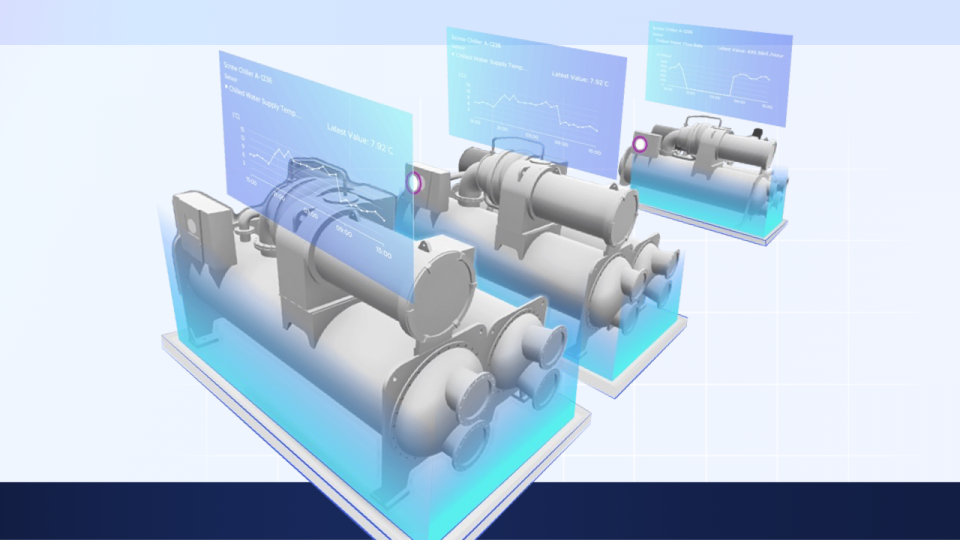
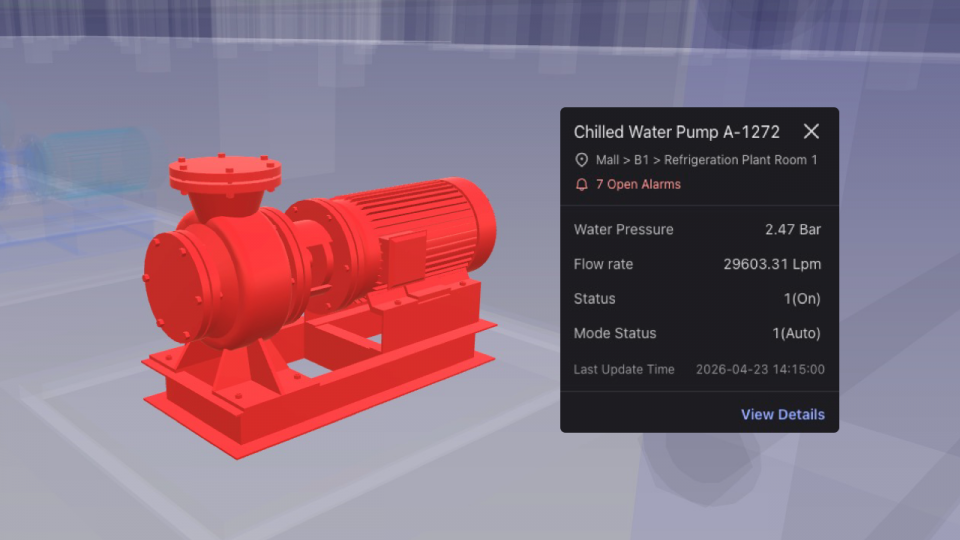
At Akila, this comes from integrating live data across building systems, including BMS, IoT sensors, and equipment controllers. The system flags changes in operating conditions that point to wear, inefficiency, or early faults. Instead of waiting for a failure or a scheduled check, maintenance is triggered when the data shows it is needed.
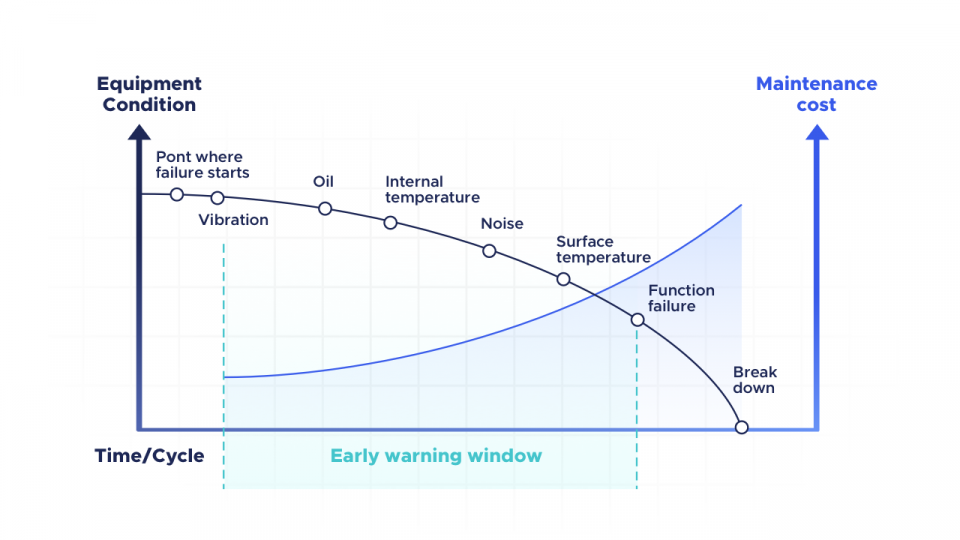
This shifts how maintenance is planned. Less time is spent forecasting schedules, more time responding to real operating signals.
What this looks like in practice
Condition-based maintenance only works if signals lead to action. That means moving beyond raw sensor data into workflows that maintenance teams can use day to day.
In a connected system, this includes:
- Continuous monitoring of vibration, temperature, runtime, and energy use
- Asset-specific thresholds based on equipment type, usage, and history
- Automatic generation of work orders when conditions move outside expected ranges
- Direct assignment of tasks into maintenance workflows
The key shift is turning data into work orders. Maintenance teams are no longer reacting to isolated alerts. They are working from a clear view of how assets are performing across the building or portfolio.
The operational impact
When maintenance follows actual conditions, the impact is clear.
Response times improve. Issues are picked up earlier, before they turn into failures that require urgent intervention. Unplanned downtime decreases. Equipment is serviced based on early signals rather than after breakdowns. Maintenance effort becomes more efficient. Work is focused on assets that need attention, which reduces unnecessary interventions and extends equipment life.
Across deployments, teams typically see:
- Around 40% faster incident response
- About 40% reduction in unplanned downtime
- Up to 20% longer asset lifespan
- Around 20% reduction in maintenance costs
The exact numbers vary by portfolio, but the direction is consistent.
Why this matters now
Most buildings already have the data. The challenge is making that data usable in day-to-day maintenance operations.
Without a connected view of assets and systems, data stays fragmented across platforms and teams. Maintenance decisions remain manual, even when the signals are available. Condition-based maintenance depends on connecting those signals so teams can interpret them, prioritize work, and act.
How this fits into Akila
The Akila platform brings building systems, equipment data, and operational signals into one place. This allows teams to move away from fixed schedules and toward maintenance driven by actual equipment behavior.
In practice, maintenance no longer revolves around isolated alerts or periodic checks. It follows a continuous view of how assets are performing across time and usage.
Closing thoughts
Maintenance is often treated as a cost center. It’s also a clear signal of how well a building is understood and operated. As buildings become more connected, the focus shifts to acting on the data in a precise and timely way.
Condition-based maintenance is a practical place to start.