Transforming building sustainability: LL97 and BACS Decree

September 12, 2024
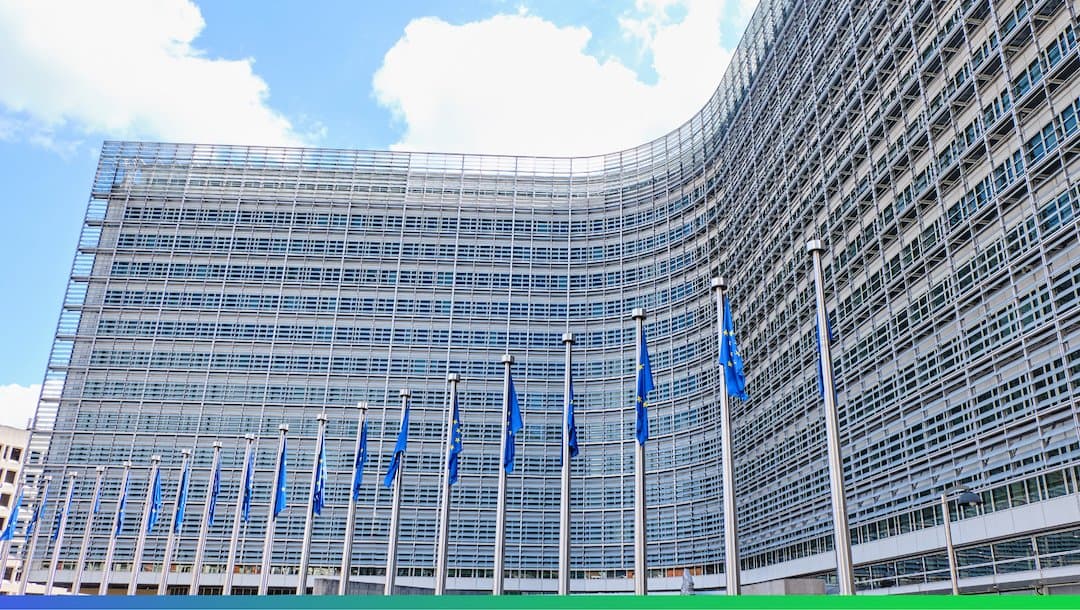
As climate change intensifies, new innovative legislative measures have emerged to aim reducing carbon emission especially in the built environment. Two major regulations for buildings that have been implemented in 2024 are the New York City’s Local Law 97 (LL97) and France’s Building Automation and Control Systems (BACS) decree. These regulations highlight a growing global commitment to environmental stewardship as they are both targeting energy efficiency and emissions reduction in buildings, making a significant step in the global fight against climate change.

LL97 and the BACS Decree are part of a broader trend toward stricter building standards such as the European Union’s Energy Performance of Buildings Directive (EPBD) and the United Kingdom’s Net Zero Strategy which further illustrate this commitment to reducing carbon emissions through rigorous regulations.

In New York, buildings account for nearly 70% of the city’s carbon emissions, largely due to their reliance on fossil fuels for heating, cooling, and electricity. LL97 addresses this issue by imposing strict carbon caps on buildings over 25,000 square feet, with the goal of making the city carbon neutral by 2050.

Meanwhile, in France, the BACS decree, emanating from the Tertiary Decree, mandates the implementation of automated control systems in buildings, ensuring that energy consumption is continuously monitored and optimized for efficiency.

To fully understand the implications of these developments, it is essential to examine how LL97 and the BACS Decree will transform building operations. Insights into these regulations will shed light on the future of sustainable buildings and the evolving standards of urban environmental responsibility.

 LL97: New York City’s Climate Mobilization Act

Overview and Objectives

Local Law 97 (LL97) is a key element of New York City’s Climate Mobilization Act, enacted in 2019. It aims to tackle climate change by significantly reducing New York City’s carbon emissions—by 40% by 2030 and 80% by 2050 compared to 2005 levels—focusing on large buildings that account for approximately 70% of the city’s total emissions.

Emission Caps and Penalties

LL97 imposes emission caps on buildings based on their size and type, with strict penalties for those exceeding these limits. The penalties are tiered according to the level of excess emissions, providing a strong financial incentive for compliance.

Implications for Building Owners

Building owners will need to invest in retrofits and upgrades to meet LL97’s standards, embracing sustainable technologies and systems. This shift not only helps meet LL97’s targets but also offers long-term benefits such as cost savings and improved operational efficiency.

BACS Decree: Advancing Energy Efficiency in France

Overview and Requirements

The BACS Decree mandates the implementation of Building Automation and Control Systems (BACS) to enhance energy efficiency. By the 1st of January 2025, commercial buildings with a rated output of more than 290 kW must install a Building Management System (BMS), and by the 1st of January 2027, this requirement extends to buildings with a rated output of more than 70 kW.

Goals and Benefits

The main goal of the BACS Decree is to modernize facilities with cutting-edge technology that drives efficiency and sustainability. Integrating BACS allows buildings to better manage their energy use, reduce waste, and respond dynamically to changing conditions, leading to significant reductions in energy consumption and improved operational performance.

Implications for Building Owners

The decree means to modernize their facilities with cutting-edge technology that drives efficiency and sustainability for building owners. This will lead to significant reductions in energy consumption, improved operational performance, and long-term cost savings.

Challenges for Building Owners

Financial and Technical Obstacles

Building owners face substantial challenges in meeting the requirements of LL97 and the BACS Decree. The financial burden includes the significant investment required for retrofitting and system upgrades. Additionally, failing to adhere to LL97’s emissions limits can result in hefty penalties, adding financial pressure.

The technical challenges involve integrating BACS with existing building infrastructure, which often requires specialized knowledge and skilled labor. Ensuring correct installation and operation of these systems adds another layer of difficulty.

The Future of Sustainable Buildings

Long-Term Benefits

The implementation of LL97 and the BACS Decree represents a pivotal shift towards more sustainable building practices. These regulations are designed to drive significant reductions in carbon emissions and enhance energy efficiency, setting a precedent for environmental stewardship.

In the long term, buildings that comply with these regulations will experience reduced carbon footprints, operational savings from improved energy efficiency, and enhanced property values. LL97 and the BACS Decree align with evolving urban planning trends, pushing for greener, energy-efficient buildings that reduce environmental impact.

Inspiring Future Policies

The success of LL97 and the BACS Decree could inspire similar policies globally, amplifying their impact on climate change and building sustainability. As more regions adopt these forward-thinking regulations, the collective effort towards a more sustainable future will gain momentum, driving further innovation and environmental progress.


Visit the following links to learn more about LL97 and BACS decree compliance.

Related Articles
Why Semantics and OpenUSD are the Key to Intelligent Digital Twins

Why Semantics and OpenUSD are the Key to Intelligent Digital Twins

Feature Focus: Energy Finance Dashboard

Feature Focus: Energy Finance Dashboard

Akila Joins NVIDIA Partner Network: Advancing AI-Native Digital Twins 

Akila Joins NVIDIA Partner Network: Advancing AI-Native Digital Twins 

Take the next step with Akila

If you want better from your buildings, our team is here to help. Let’s set up a call to discuss your needs and show you how Akila works, from deploying digital infrastructure to optimization.

910-Product-page
Secondary ~ Request Demo Simple

The EU’s Carbon Border Adjustment Mechanism (CBAM) changes the game of global trade

May 15, 2023

Combatting climate change has long been a top priority for the European Union (EU). While previous regulations have been chiefly voluntary, a groundbreaking policy known as the Carbon Border Adjustment Mechanism (CBAM) is set to reshape the landscape. Approved by the EU Council on April 18th, the CBAM will have far-reaching implications for businesses exporting certain goods and materials to the EU, transcending the boundaries between climate change and global trade.

The CBAM will initially focus on key industry sectors, such as iron and steel, cement, fertilizers, aluminum, electricity, and hydrogen. Starting from October 2023, it will require reporting, eventually transitioning to mandatory requirements.

The mechanism aims to equalize the carbon prices paid for products made within and outside the EU. Companies importing into the EU must purchase CBAM certificates, bridging the gap between the carbon price in the country of production and the EU’s carbon allowances.

The goal is to incentivize non-EU countries to bolster their climate ambitions. The CBAM will be implemented alongside the phaseout of free carbon allowances provided under the EU’s Emissions Trading System (ETS), concluding by 2034.

Implications and timing

The CBAM reporting period will span three years, until 2026, after which it will be applied to goods in the initial sectors. The EU aims to extend the CBAM to cover all goods included in the ETS by 2030. As part of the EU’s comprehensive “Fit for 55” package, which seeks a 55% reduction in greenhouse gas emissions by 2030, the CBAM underscores the EU’s commitment to combating climate change. The package encompasses diverse measures, such as the ETS, promoting renewable energy, transitioning to electric vehicles, advancing green aviation and maritime fuels, and enhancing building energy efficiency.

Challenges and global impact

The CBAM poses significant challenges for companies operating in countries without carbon costs on industry. The EU claims that the legislation will fully comply with World Trade Organization (WTO) rules. However, its extensive scope and ambition may lead to trade restraint disputes and potential retaliatory measures. While similar measures have been proposed in the United States, there are no equivalent initiatives in other major trading partners of the EU, such as India and China.

China’s predicament

China, as the world’s largest carbon emitter and the biggest exporter to the European Union (EU), is likely to be profoundly affected by the CBAM. Despite having reduced its carbon emissions by 50.3% since 2005, China still faces substantial reforms to meet the EU’s ambitious climate targets. The CBAM’s goal is to ensure fairness in carbon pricing globally and regulate the distribution of carbon emissions through a border carbon tax.

The policy will impose a progressive tax on imported high-carbon goods, including steel, iron, aluminum, cement, fertilizer, and electricity. Importers of these commodities will need to pay the difference between the carbon price in the producing country and the EU’s carbon allowances.

China’s steel industry is expected to be hit the hardest, followed by aluminum exports. Carbon tariffs will increase the cost of exports and disrupt the competitive advantage of Chinese companies in the EU market, impacting industry profits and the entire Chinese industry chain.

Navigating compliance: strategies for organizations exporting to the EU

To ensure compliance with the Carbon Border Adjustment Mechanism (CBAM) and navigate the changing landscape of global climate regulations, organizations exporting goods to the European Union (EU) can adopt proactive measures.

First and foremost, they should conduct a comprehensive assessment of their carbon emissions and identify areas for emission reduction. This may involve implementing digital solutions that make collecting and reporting on this data.

Second, companies can explore partnerships and collaborations with EU-based organizations that have established carbon reduction strategies and technologies. European companies have been developing energy and carbon optimization solutions for many years now, due to the comparatively strict and mature climate change regulations in the EU. Solutions such as digital twin-based energy and operations management, low-carbon retrofitting, and renewable energy asset installation are strategies developed by European firms. Such collaborations can help foster knowledge exchange and facilitate the adoption of best practices.

Finally, organizations should consider engaging with carbon market mechanisms, such as carbon offsetting or investing in carbon credits, to offset their emissions and align with the EU’s carbon pricing framework. By adopting these strategies, businesses can ensure compliance with the CBAM and position themselves as leaders in sustainability and contribute to a greener future.

A transformative step in addressing climate change

The European Union’s Carbon Border Adjustment Mechanism represents a significant step in the fight against climate change. By imposing carbon tariffs on imports and bridging the gap between carbon prices within and outside the EU, the CBAM aims to encourage global emissions reductions and drive increased climate ambition worldwide. While the policy may face trade disputes and challenges, its potential impact on high-carbon emitting countries like China underscores the urgency and complexity of addressing climate change on a global scale.

Related Articles
Akila Named Global Energy-Management Partner for Jotun Group — Deploying AI Energy Platform Across 26 Countries

Akila Named Global Energy-Management Partner for Jotun Group — Deploying AI Energy Platform Across 26 Countries

Akila named Microsoft IP Co-Sell Ready Partner

Managing the electricity impact of EV charging on buildings

Managing the electricity impact of EV charging on buildings

Take the next step with Akila

If you want better from your buildings, our team is here to help. Let’s set up a call to discuss your needs and show you how Akila works, from deploying digital infrastructure to optimization.

910-Product-page
Secondary ~ Request Demo Simple

Local Law 97 (LL97) and the new compliance era for US buildings

April 07, 2023

New York buildings affected by LL97

In 2019, New York City passed the Climate Mobilization Act which included Local Law 97 (LL97). LL97, going into effect in 2024, is a game-changing regulation for the real estate industry. This groundbreaking legislation mandates that all large buildings (>25,000 square feet) in the city reduce their carbon emissions—all regulated through monthly disclosures.

Buildings in New York City are responsible for more carbon emissions than the entire transportation sector combined. In total buildings account for about 70% of the city’s greenhouse gas emissions. The law aims to reduce the carbon footprint of the city’s building stock with carbon caps. The caps will become increasingly stringent over time, with the goal of reducing emissions by 40% by 2030 and 80% by 2050.

Starting in 2025, the city will begin enforcing LL97 for all covered buildings. Building owners that do not comply with the emissions caps will face financial penalties of $268 per metric ton exceeding emissions limits. Furthermore, buildings that fail to report will also face fines of $0.50 per square foot per month. Moreover, false statements will land a fine of $500,000.

What LL97 means for building owners

LL97 is a critical piece of legislation that has significant implications for the global real estate industry. Many more cities may begin to adopt similar laws over the coming years. While ESG and carbon trading have had similar effects on listed firms or high-emissions industrial organizations, LL97 is focusing on the built environment as a whole. Many building owners are completely unprepared.

The New York City government estimates around 20-25% of buildings will exceed their emissions limits in 2024. By 2030, this could rise to 75-80% of buildings if no action is taken to reduce emissions. That leaves very little time to prepare. Furthermore, action can only be taken only if building owners have a clear picture of their emissions in the first place.

Taking action to reduce the carbon emissions of a building usually means retrofitting inefficient equipment and systems. Zero-emission HVAC systems can cost up to $60 per square foot or about $6 million for a 1 million square foot building. This could mean that large investments are needed to stay compliant in the long run. The way this will translate to the market has yet to be seen, but for many building owners that could involve financing.

Beyond LL97: US cities and markets roll out regulations

LL97 truly is the first of its kind in the breadth and scope of regulating the built environment. However, there are other similar regulations that have been or will be implemented in cities around the US.

  • San Francisco: beginning in December 2023, properties in San Francisco that don’t comply with the new Existing Buildings Ordinance will be fined $100 a day for a maximum of 25 days in a 12-month period.
  • Washington, D.C.: Washington has also taken efforts to reduce the district’s energy consumption with the Building Energy Performance Standard (BEPS), requiring privately owned buildings larger than 50,000 square feet to meet new emission and energy consumption standards by the end of 2026 or incur a penalty of $10 per square foot, up to $7.5 million.
  • Boston: failure to comply with Boston’s benchmarking ordinance (BERDO) will incur penalties from $150-$300 per day for failure to report and $300-$1,000 per day for failure to comply with emissions standards, based on the size and type of building.
  • St. Louis: owners of buildings larger than 50,000 square feet in Saint Louis will need to meet energy performance standards by 2027 or else face fines of up to $500 per day.

SEC targets commercial real estate

Beyond municipal regulations, the SEC has proposed rules that would affect all publicly listed commercial real estate companies. In the US, commercial real estate is largely owned by two different types of organizations: private equity and Real Estate Investment Trusts (REITs) directly. Driven by these institutions, publicly traded firms own $1.6 trillion of US real estate. REITs alone account for about 10% of all commercial real estate.  That is to say, the rules under consideration cuold have major effects on the market.

The new rules would mandate these property ownership companies to disclose climate-related impacts and their management strategies for dealing with them. They would also be required to report on all greenhouse gas (GHG) emissions. While there have not been any penalties announced, expanding operations to collect and compile all this data can lead to increased costs and loss of productivity.


Get started with Akila


Making a game plan

What is happening right now is the start of a trend that will not go away for regulating building emissions. Decades of talk about climate change are turning into action. As more and more markets make the drive towards net zero via government policy, rules for listed firms, or corporate policy, organizations could be staring at a laundry list of regulations that they have never had to comply with before.

The best way organizations can prepare is by having a strategy in place for monitoring and measuring their building’s performance data. Half the battle is understanding how and why a building creates emissions. Akila is a tool to automate this entire process, helping organizations cut down on the operational costs otherwise needed to collect and report data.

Once decision-makers have a full picture of their property portfolio’s carbon footprint and emissions profile, then they can take action. The good news is that there are a variety of sustainability solutions that improve cost and performance as well. For example, leveraging digital twin technology and AI can optimize HVAC systems for both comfort and energy (and emissions), resulting in huge savings and improved occupant experience.

Ultimately, the key is to act as soon as possible. Unpreparedness will cost more in the long run. Decarbonizing your site now extends the site’s asset lifespan, improves its value, and ensures compliance in the future.

Related Articles
Solar Impulse Label: one year of developing sustainable and profit-driven solutions

Solar Impulse Label: one year of developing sustainable and profit-driven solutions

Building Smarter, Greener Futures: Akila at IGBC 2025 

Building Smarter, Greener Futures: Akila at IGBC 2025 

AI-Enhanced Carbon Footprint Tracking for Corporate ESG Goals

AI-Enhanced Carbon Footprint Tracking for Corporate ESG Goals

Take the next step with Akila

If you want better from your buildings, our team is here to help. Let’s set up a call to discuss your needs and show you how Akila works, from deploying digital infrastructure to optimization.

910-Product-page
Secondary ~ Request Demo Simple

Good data is the key to compliance in 2022

July 20, 2022

Data compliance

Responsibility, transparency, compliance. These terms have been part of the business lexicon for decades now. In 2022, the idea that companies must demonstrate that they are responsible actors with clear data is finally becoming a central tenant of corporate strategy. Until recently, quantifying compliance efforts towards corporate social responsibility and sustainability. Without strict data reporting standards for companies to adhere to in the past, trust between companies and consumers, investors and governments has been strained. But this is changing.

Compliance standards are changing for the better

Governments around the world, such as China’s, have announced their plans to achieve net-zero carbon emissions. They are demanding that companies comply with strict data reporting on their carbon footprint, waste and data management. In the markets, ESG reporting standards are having a huge impact on corporate behavior, encouraging more transparency and more high-quality, reliable data.

ESG is now being adopted by government financial regulators in many countries including South Korea, China, and the U.S. Upcoming regulation from the SEC around ESG disclosures will formalize the need for companies to define, track and report on their ESG progress with regulatory consequences for misleading or falsified information. Companies are having to adopt a ‘comply or die’ mindset when it comes to disclosure, meaning good data management is becoming the single most crucial factor in many organizations.

Good data is the key – and a major hurdle

One of the biggest pain points for companies concerning compliance is a lack of good data. Data management is a complex and challenging field and even with the rapid digital transformation of many industries, there are still many persistent hurdles.

One barrier for many businesses is working with legacy data systems – older software that is still fit for its purpose but doesn’t necessarily cooperate with newer systems, making it a challenge to migrate and collate data. This is especially a problem in enterprise organizations where data is stored in disparate siloed systems. The process of aggregating this data in a universal platform often requires an external party that specializes in data management.

Digital transformation is an ongoing process

Another hurdle is that digital transformation is an ongoing process that many industries are still grappling with. Progress is strong but full digitalization is not a reality across all sectors and at all levels. Many industries may have already digitalized certain processes and have the ability to accurately store and manage data for those specific instances, but are still reliant on non-digital data management in other areas. There are solutions to this issue being developed, one being the golden thread of information which is a new method of data management that is being enshrined into law in the UK construction industry, but it will take time to fully proliferate beyond its specific target industry.

ESG metrics dashboard

Data management can’t be done right without having clearly defined data governance policies and rules that govern the use of data and data operations. This is something that, despite ESG becoming much more mainstream, corporations are still struggling to manage. Not everyone can be an expert in ESG metrics and data compliance – it’s a relatively new field that requires a deep knowledge of regulations and an understanding of the wider goals of sustainability in a corporate context.

As the amount of data organizations collects has increased by a great degree. Ensuring data quality has become more difficult and complex, now outside the remit of even IT and compliance departments.

Leveraging technology to make compliance easier

Akila’s ESG-first digital twin platform utilizes AI technology and IoT sensors to collate, track and action data throughout entire systems and portfolios in one easily accessible platform. Built with compliance values in mind from the ground up, Akila supercharges any client’s data management systems and prepares them for the accurate reporting of key data, whether that be sustainability metrics such as carbon emissions or other business-critical data.

As an all-in-one software as a service model, the challenges of figuring out legacy systems and dealing with incompatible data and digital silos are moot. All data collected relating to buildings, energy use, staff, assets, safety, maintenance and more are securely stored and easily accessible at the touch of a button. This eliminates the need to coordinate between archaic systems and ensures traceability and compatibility at every level – perfect for reporting accurate, timely, and reliable data for compliance and decision making.

ESG analytics dashboard

With a team of sustainability, ESG, engineering, and digitalization experts, Akila has already partnered with giants in their respective industries. Using their deep understanding of ESG metrics and compliance legislation, Akila has been working with Ikea, Schlumberger, and others, to radically update data gathering and reporting practices, fast-tracking them on the road to greater ESG compliance and beyond.

Organizations will continue to see increased attention to ESG and compliance matters in the coming decades from investors, employees, governments and the general public. Everyone needs to act quickly to get ahead of the disclosure regulation curve as deadlines for net-zero emissions loom ever closer and expectations from investors and consumers for sustainable growth become more pivotal. Data is the key to overcoming these challenges and thriving in the new corporate landscape moving forward.

Related Articles
Akila Institutions: UTSEUS

Akila Institutions: UTSEUS

Akila’s Transition Plan : “Race to Zero”

Akila’s Transition Plan : “Race to Zero”

Why traditional BMS is costing you 25% more energy, and how AI HVAC optimization changes the game

Why traditional BMS is costing you 25% more energy, and how AI HVAC optimization changes the game

Take the next step with Akila

If you want better from your buildings, our team is here to help. Let’s set up a call to discuss your needs and show you how Akila works, from deploying digital infrastructure to optimization.

910-Product-page
Secondary ~ Request Demo Simple