Embodied carbon is a problem. Digital twins can help.

March 30, 2023

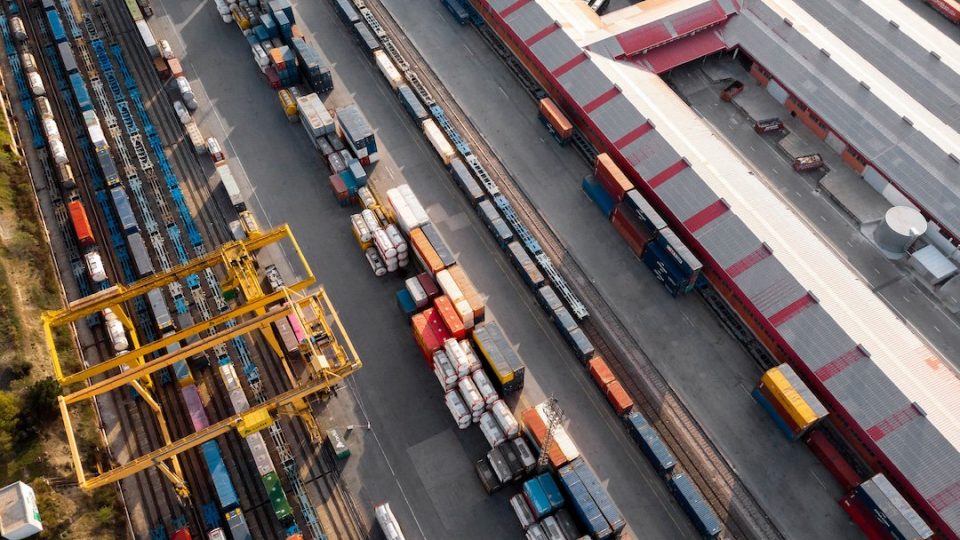
Urban built environment showing embodied carbon

The built environment, which encompasses all man-made structures and spaces, is responsible for 40% of global carbon emissions. It’s an issue that rightly has been receiving lots of attention. Local governments, venture capitalists, and tech startups are all racing to reduce the carbon footprint of buildings. Much of this focus, however, has been on operational carbon emissions since those account for about 27% of that. But what about the remaining 13%? That comes from embodied carbon.

Embodied carbon is a carbon footprint measurement of buildings unique from operational carbon. Embodied carbon refers to the total carbon emissions associated with the production, transportation, and construction of building materials or assets.

What contributes to embodied carbon in buildings?

Embodied carbon in the built environment is a result of various factors, such as building materials, construction processes, transportation, upgrades, renovations, and demolition. It can be seen throughout the entire lifecycle of a building.

In the first phase, the production stage, materials such as concrete, steel, and glass are some of the most significant contributors. The production of these materials requires significant amounts of energy and resources, including fossil fuels, which contribute to greenhouse gas emissions. Transportation also plays a role in embodied carbon, as building materials and equipment are often transported over long distances, adding to their carbon footprint.

During the construction stage, processes such as excavation, site preparation, and assembly of components contribute as well. These processes require significant amounts of energy, provided by electricity, gas, and diesel.

In the operational stage, renovations, and retrofits with new equipment, will add to the embodied carbon of a building. For example, the installation or replacement of building components means more carbon is created in the production and transportation of those components.

Even after years of use, the embodied carbon doesn’t go away. At the end-of-life stage, a building continues to have a carbon impact while it is deconstructed or demolished. This process relies on heavy equipment that burns diesel, requires waste disposal, and will need a fair amount of transportation.

carbon life cycle infographic

Environmental impacts

Reducing embodied carbon matters for several very important reasons. The production and transportation of building materials and construction have environmental impacts (biodiversity, habitat destruction), contribute to resource depletion of non-renewable materials, and impact climate change in the form of emissions. Managing these materials and processes is a critical strategy for mitigating these impacts.

There are two steps that organizations can take to start acting. First, they must understand how to properly measure embodied carbon. Then, they need to know how to act. Both steps can be made much easier with the help of digital twins.

How to measure and reduce embodied carbon

Measuring embodied carbon is the first step towards acting to reduce it. There are several standards and frameworks that have been developed to measure embodied carbon, including the International Organization for Standardization (ISO) 14044, BREEAM, the Carbon Leadership Forum Life Cycle Assessment (LCA), the RICS method, and several others.

The process of measurement involves gathering data on the materials and products used in a building, calculating the carbon emissions associated with their production and transportation, and combining these values to determine the building’s total embodied carbon. Without the proper documentation or tools, this process is complex and time-consuming. This data provides critical information for making informed decisions about the environmental impact of building materials and construction methods.

That is for projects that haven’t even been built yet. For new buildings, it can be even more challenging. However, the principles of measurement are the same for both new and existing buildings. In both instances, digital twin technology can make the process much more transparent and provide the trackability needed to measure or simulate performance outcomes.


Request a demo


Carbon life cycle management with digital twins

Digital twins like Akila can help measure embodied carbon in the built environment by providing a platform for data collection, analysis, and optimization. One of the most effective applications of digital twins comes prior to building construction, where they can be used to support life cycle assessment (LCA), which considers the environmental impact of a building over its entire lifespan. By integrating LCA into the design and construction process, building owners and operators can make more informed decisions about building materials and construction methods, ultimately reducing the embodied carbon of the building.

For existing projects, digital twins can capture detailed information about building components and systems, including materials, product specifications, and installation details. This data often comes directly from the manufacturer itself and can be connected with digital assets inside of libraries used to create the digital models. Paired with construction project details, digital twins can provide a full picture of embodied carbon for existing sites.

Reducing embodied carbon with digital twins

The data in digital twins can be leveraged to reduce embodied carbon. By monitoring and analyzing real-time data from digital twins, building owners and operators can optimize building performance and selection of materials. For example, digital twins can help identify opportunities to retrofit or upgrade building systems to improve energy efficiency and reduce the carbon footprint of the building. Digital twins can also simulate the environmental impact of different construction scenarios, helping to identify opportunities for improvement.

Depending on which stage your site is at, digital twins can help in the following ways:

  • Collaboration: Digital twins can facilitate collaboration between stakeholders involved in building design, construction, and operation. By providing a platform for data sharing and analysis, digital twins can help ensure that all parties are aligned on reducing embodied carbon.
  • Monitoring: Digital twins can collect real-time data on building performance, energy consumption, and carbon emissions. This information can be used to identify areas where energy consumption can be reduced, and carbon emissions can be minimized. By continuously monitoring building performance, building owners and operators can make data-driven decisions to reduce embodied carbon.
  • Optimization: Digital twins can simulate different scenarios and test the environmental impact of building materials and construction methods. By optimizing building systems and components, digital twins can help reduce the embodied carbon of a building. For example, a digital twin can help identify opportunities to use low-carbon materials or to optimize building systems for energy efficiency.
  • Retrofitting: Digital twins can help identify opportunities to retrofit or upgrade building systems and components to reduce embodied carbon. By simulating the environmental impact of different retrofit scenarios, building owners and operators can make informed decisions about how to reduce the carbon footprint of their buildings.

When talking about the carbon impact of the built environment, it is important to look at it holistically – not just the operations, but also the embodied carbon. Knowing how to measure, and having the right tools to help, can empower decision-makers to reduce their building’s carbon footprint. Digital twins are one of the most powerful technologies to do so.

Akila can help optimize building systems, monitor building performance, identify retrofit opportunities, and facilitate collaboration between stakeholders. By leveraging digital twin technology to reduce embodied carbon, building owners and operators can minimize the environmental impact of their buildings and contribute to a more sustainable future.

Related Articles
Enhancing preventative maintenance: How Akila’s new feature streamlines asset management

Enhancing preventative maintenance: How Akila’s new feature streamlines asset management

Unlocking HVAC Efficiency: How Smart Control Transforms Building Operations

Unlocking HVAC Efficiency: How Smart Control Transforms Building Operations

Enersize and Akila sign exclusive partnership for Asia market

Enersize and Akila sign exclusive partnership for Asia market

Take the next step with Akila

If you want better from your buildings, our team is here to help. Let’s set up a call to discuss your needs and show you how Akila works, from deploying digital infrastructure to optimization.

910-Product-page
Secondary ~ Request Demo Simple

Measure, track, and act on scope 1 and 2 emissions

March 09, 2023

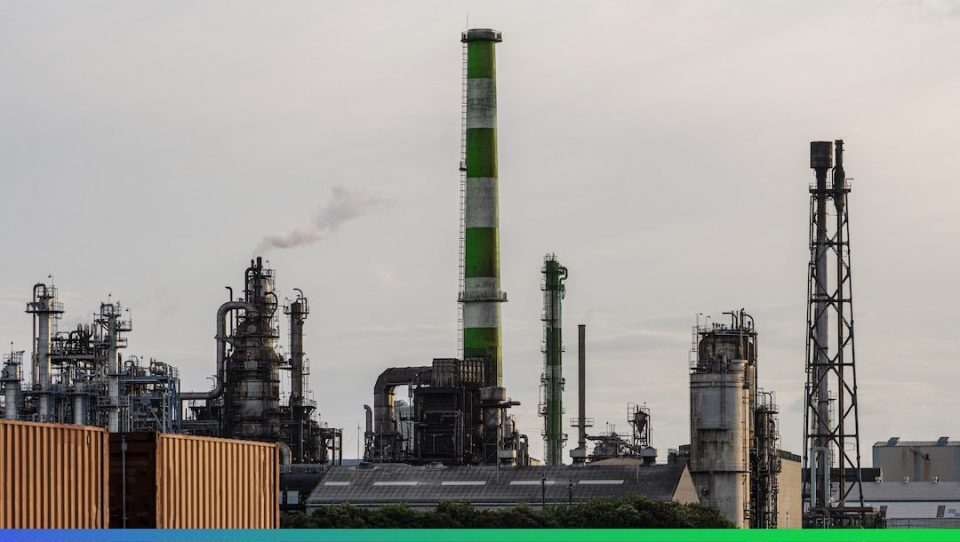
Scope 1 and 2 emissions at an industrial site

Greenhouse gas (GHG) emissions are the leading cause of climate change. Understandably, they are the target of a growing amount of regulation and scrutiny from the government, financial institutions, and shareholders. While in the past, businesses might have been able to get away with rough or estimated data about their contributions to GHG emissions, this is no longer the case as regulations such as carbon reporting and ESG standards increase their reporting requirements.

GHG reporting usually follows the categorization of emissions into three scopes. Scope 1 and 2 are direct or indirect emissions owned by the company, while scope 3 emissions are those that come from the supply chain, product use, or other upstream or downstream activities in the value chain. Because scope 1 and 2 emissions result from the direct actions of an organization, Akila can play an important role in helping to reduce them.

Setting up Akila on your site can provide lifetime value for monitoring, tracking, and acting on scope 1 and 2 emissions. In three stages, Akila can put you on your way to reducing your carbon footprint.

Know your scope 1 and 2 carbon profile

Before deploying Akila, the organization needs to establish what will be included in the carbon inventory or carbon profile with a focus on scope 1 and 2 emissions. This is an essential first step to managing risks and identifying areas of improvement. Without this foundation, your organization may as well be lost at sea – even with the most advanced ship.

Although the definition of scope 1 and 2 emissions are highly standardized, there are further questions that each organization needs to ask before they begin to track and act.

What are the reporting standards or methods for my organization?

The best starting place for creating a framework for information collection is having a clear picture of the type, extent, and format of data required. There are a wide variety of standards a given organization might want to adhere to.

Listed firms, for example, might be required to file ESG disclosures which can vary depending on the market. Does your regulator follow SASB, GRI, or both?

On top of this, there may be a different set of standards for compliance carbon markets (cap-and-trade or Emissions Trading Systems) or carbon reporting. Furthermore, there is a long list of voluntary sustainability disclosures that an organization might wish to track, such as Ecovadis or CDP.

Knowing how scope 1 and 2 emissions fit into each of these standards is a good first step toward data collection and action.

Which are the organizational boundaries included in the scope 1 and 2 inventory? What about the operational boundaries?

Organizational boundaries are defined as the entities (subsidiaries, joint ventures, partnerships) and assets (facilities, vehicles) belonging to an organization. Once these boundaries are set, GHG emissions will need to be consolidated for reporting. These boundaries must be consistent across all reporting and disclosure, otherwise, there is direct risk in the form of non-compliance or indirect risk in the form of public perception of “greenwashing.”

On the other hand, operational boundaries define the specific source of emissions, such as boilers, chillers, or purchased electricity. This phase of the inventory is where we begin to deploy Akila.

Deploy Akila

In step 1, Akila consultants work with an organization to define the goals, scope, and standards of data to be collected. Then we get to work building a digital twin of your site.

Akila begins with either existing or custom-made CAD or BIM files to create a 1-to-1 digital model of your building and assets. Then, it is brought to life with IoT. Our engineers connect all meters, equipment, and systems with hardware that sends data back into the platform and brings the building alive.

For scope 1, that includes:

  • Gas boilers (stationary combustion)
  • Chillers, HVAC, fire suppression (fugitive emissions)
  • Vehicles (mobile emissions) *via upload

For scope 2, that includes monitoring purchased fuels such as:

  • Electrical meters
  • Steam meters
  • Thermal energy

Once outfitted with IoT hardware, this data is collected in a centralized platform for monitoring, analysis, and optimization in the Akila Energy Suite.

Using Akila Energy Suite

The Energy Suite is packed with tools for monitoring, analyzing, visualizing, and reporting scope 1 and 2 emissions. These features are also designed to aid the decision-making process for carbon reduction. However, Akila Energy can also integrate with AI optimization tools through API connections or Edge networks.

Dashboarding & analytics

Visualizing your data can help drive a better understanding of operations and inform better decision-making. Akila Energy includes customizable dashboards that can track both energy use and carbon emissions with the data sent from your equipment. This data can be drilled down to the exact time and location of its source.

For example, users can start at the global level to see all combined energy use and emissions across a property portfolio, then go down to the building, then to the system (such as HVAC), and down to the equipment meter itself. Time series analysis allows users to view asset performance at a highly granular level, and even cross-reference with other equipment, systems, and locations.

BI reporting

Following the work done in step 1, Akila includes a reporting function with BI templates aligned with organizational reporting needs. Reports can follow a variety of standards, such as a variety of ESG or green building reports, and can also be tailor-made for each customer. These reports are easily exported and shared within the organization or directly to regulators or auditors themselves.

Third-party integration

While the Akila platform and Energy Suite are powerful tools to monitor and analyze scope 1 and 2 emissions data, they can go even further beyond by integrating third-party software. For example, if an organization would like to integrate AI-backed HVAC optimization, these tools can be brought inside the Akila platform to track how effectively the program can reduce energy use and emissions.

Akila strives to be an all-in-one platform and will continue to provide support for as many innovative, carbon-cutting tools as possible to centralize energy and emissions management.


Get started with a demo

Take action

Akila provides businesses with a fully transparent look at their GHG data and enables them to take real action to reduce their carbon footprint. The insight provided by Akila might lead organizations to retrofit their site with more efficient equipment. It might also be the factor behind transitioning to a fleet of electric vehicles to reduce the scope 1 emissions caused by mobile combustion.

With data collected and action underway, Akila continues to deliver value to users by providing transparent, traceable, and trackable data. This cycle of optimization can set businesses on the path toward reaching net-zero scope 1 and 2 emissions.

Reducing scope 1 and 2 emissions is crucial for slowing climate change. Knowing how to collect and act on scope 1 and 2 emissions data will become less and less voluntary as time goes on, whether via ESG disclosures or government compliance. By providing a comprehensive view of emissions data, Akila enables businesses to create a carbon inventory, collect and track emissions data, and take action to reduce their carbon footprint.

Related Articles
La French Tech: Tech for Good, Tech for Impact

La French Tech: Tech for Good, Tech for Impact

Saint-Gobain deploys Akila at its research center in Shanghai to reinforce sustainability achievement and employee wellness 

Saint-Gobain deploys Akila at its research center in Shanghai to reinforce sustainability achievement and employee wellness 

Akila’s Transition Plan : “Race to Zero”

Akila’s Transition Plan : “Race to Zero”

Take the next step with Akila

If you want better from your buildings, our team is here to help. Let’s set up a call to discuss your needs and show you how Akila works, from deploying digital infrastructure to optimization.

910-Product-page
Secondary ~ Request Demo Simple

Scope 1, 2, and 3 emissions: a guide to corporate carbon footprints

February 21, 2023

Building, electric grid, and airplane scope emissions

Scope 1, 2, and 3 emissions are categories used to define and quantify sources of greenhouse gas emissions produced by a company or organization. These emissions are an essential metric in measuring a business’s environmental impact and are critical to the development of strategies to mitigate climate change.

The concept of Scope 1, 2, and 3 emissions were created by the Greenhouse Gas Protocol, a widely-used accounting tool for managing and reporting greenhouse gas emissions. It was developed through a collaboration between the World Resources Institute and the World Business Council for Sustainable Development in 1998 and first published its standards in 2001.

Since then, Scope emissions have become the most well-known and widely followed metrics by which organizations measure their carbon emissions, and are essential when it comes to reporting for carbon trading or ESG filing.

Scope 1: direct emissions

Scope 1 emissions are the direct emissions a company produces. These are emissions that come directly from sources owned or controlled by the company, such as emissions from burning fossil fuels to generate electricity, heat, or power vehicles. These types of emissions are under the direct control of the company. As such, the company is responsible for taking direct action to reduce or eliminate them.

The amount of Scope 1 emissions a company produces depends on factors like fuel type, energy consumption, and transportation activity. Companies with significant energy consumption and transportation activities are likely to have higher levels of Scope 1 emissions compared to companies with limited energy and transportation needs.

Scope 2: indirect emissions

Scope 2 emissions are indirect emissions that result from the consumption of purchased electricity, heat, or steam by a company. These emissions come from electricity providers, not the company itself.

However, a company’s decisions can still have an impact on them. For example, a company can reduce its Scope 2 emissions by purchasing renewable energy, investing in energy efficiency, or reducing energy consumption.

Factors that influence Scope 2 emissions include:

  • The source of electricity: the type of energy used to produce electricity, such as coal, natural gas, or renewable energy
  • Energy consumption: the amount of energy a company uses directly affects the Scope 2 emissions it produces.
  • Renewable energy sources: purchasing renewable energy, such as wind, solar, or hydropower instead of non-renewable sources
  • Energy efficiency: investing in energy-efficient technologies and practices, such as upgrading lighting and HVAC systems
  • Location: the location of a company also affects its Scope 2 emissions, as the mix of energy sources used to produce electricity varies from region to region, as does the climate

Scope 3 emissions: value chain emissions

Scope 3 emissions refer to all indirect greenhouse gas emissions that are not included in scope 1 or 2. These emissions result from activities that are associated with a company’s value chain but occur outside of the company’s own operations, such as the extraction and production of purchased materials, transportation and distribution, product use, and end-of-life treatment of sold products.

Scope 3 emissions are generally the largest source of emissions for most companies, and they can be difficult to measure and manage because they involve many actors and activities outside of a company’s direct control.

However, once the challenge of measuring scope 3 emissions is overcome, there are options for reducing them. For example, a company can opt for a more sustainable transportation method, such as rail or water shipping, instead of air transportation. It may also require choosing new suppliers since the actions of your partners contribute to scope 3.

Infographic explaining scope 123

Corporate carbon footprints and climate change

Greenhouse gas emissions are one of the leading causes of climate change and have a significant impact on the environment. They trap heat in the atmosphere, causing the planet to warm, which leads to changes in weather patterns, rising sea levels, and increased frequency and intensity of extreme weather events.

By measuring and reducing their scope 1, 2, and 3 emissions, companies can reduce their carbon footprint and help mitigate the effects of climate change. This can also have a positive impact on their reputation, as consumers and investors are becoming increasingly concerned about the environmental impact of the products and services they purchase. Companies that are seen as environmentally responsible can benefit from increased customer loyalty and improved brand image.

In addition, reducing emissions can also have financial benefits for companies. Investing in renewable energy and energy efficiency can reduce operating costs, and companies can also take advantage of government incentives, such as green financing, by reducing emissions. Furthermore, companies can also generate revenue by selling carbon credits on carbon markets.

Why does this matter for ESG?

Scope 1, 2, and 3 emissions are critical indicators of a company’s impact on the environment, and are therefore a central component of ESG analysis. As sustainability becomes more of a factor in purchasing decisions, and ESG becomes the gold standard for investors and regulators, companies that are proactive in reducing their emissions and adopting sustainable business practices will likely see improved investor sentiment, customer loyalty, and overall financial performance.

Companies that have a strong ESG profile, including low emissions, are well-positioned to comply with future regulations, avoid potential penalties or reputational damage, and meet the growing demand for environmentally responsible products and services.

What can companies do about their scope 1, 2, and 3 emissions?

In the case of Scope 1, 2, and 3 emissions, knowing is half the battle. By understanding how they are producing these emissions, companies can take meaningful action to reduce them. Many organizations rely on external auditors and consultants to help measure and collect this data, but this can be time-consuming and expensive. Other organizations have some information on their energy use thanks to certain software like an Energy Management System (EMS), but the data is often time unclear and disconnected.

Akila is the best of both worlds: fully automated data collecting on all aspects of emissions, visualized in the digital twin. It does much more than an EMS, which just looks at energy use, and it enables organizations to see their data without the need for lengthy and complicated data collection processes which often require consulting.

For example, when we deploy Akila for clients looking to measure their carbon footprint, we identify the sources of scope 1 or 2 carbon emissions. Then, we outfit the equipment and spaces with sensors or integrate working processes such as waste collection with a documentation system. Tracking source 3 emissions is also possible through Akila by integrating supplier-based data.

All data is fed in real-time into the digital twin platform, not only providing a data stream but also creating a single source of truth on the facility or portfolio-wide operations to see where (and when) emissions are being created. Akila can take this data to the next level with simulation and AI, modeling how systems or equipment would perform in different scenarios or even interchanged entirely for new assets. From there, decision-makers can begin to strategize how to best act to reduce emissions.

Reducing emissions is not only crucial in the fight against climate change, but it also improves the reputation and bottom line. Organizations that are proactive in reducing their emissions will be well-positioned to succeed in the coming years to meet the demand to deliver environmentally responsible products and services.

Related Articles
Measure, track, and act on scope 1 and 2 emissions

Measure, track, and act on scope 1 and 2 emissions

Akila Featured in Singapore’s Ecosperity Conversations: Powering Smart Decarbonization at South Beach Tower

Akila Featured in Singapore’s Ecosperity Conversations: Powering Smart Decarbonization at South Beach Tower

Feature focus: Akila Energy Savings Tracker

Feature focus: Akila Energy Savings Tracker

Take the next step with Akila

If you want better from your buildings, our team is here to help. Let’s set up a call to discuss your needs and show you how Akila works, from deploying digital infrastructure to optimization.

910-Product-page
Secondary ~ Request Demo Simple

Carbon neutral buildings are essential for stopping climate change

August 12, 2022

Carbon emissions coming from buildings

Sustainability, transparency and global net-zero. In recent years, these have moved from buzzwords to core aspects and concerns of business strategy – and for good reason. At a moment when the climate crisis is manifesting worldwide in unprecedented heatwaves, drought and many other devastating natural disasters, it is utterly clear that this crisis requires immediate action, at all levels and with the most ambitious of targets – creating carbon neutral buildings.

As the pressure on businesses to improve their carbon impact mounts from both the private sector and governments, companies are keen to comply by adapting their energy use and optimizing operations. Akila provides the tools for specialists in the built environment to tackle the climate challenges of the 21st century in a way that boosts value, enhances efficiency and reduces emissions to safeguard the future of our planet.

Buildings are one of the biggest global environmental challenges

 It is well past time for property developers, owners and managers to acknowledge its enormous role in today’s climate crisis. Buildings, construction and related infrastructure (often referred to collectively as the ‘built environment’) collectively contribute 40% of all C02 emissions globally. This alarming (and alarmingly underreported) statistic is arrived at when all stages of a building’s lifecycle are factored in, starting from initial design into construction, and long-term operations, as well as the material and logistics required across the building’s lifespan.

Adding to the pressure is the increasingly rapid urbanization occurring across the world, resulting in:

  • Greenfield: An ongoing, high volume of construction projects – producing enormous C02 emissions in what remains one of the world’s largest but bottom-three least digitalized industries.
  • Brownfield: An enormous quantity of buildings, the majority of which operate at low efficiency and excess energy consumption, an issue which is poised to accelerate as this building stock ages.

The need for carbon neutral buildings and a comprehensive decarbonization solution, then, is critical, with Asia set to play an especially central role. It is projected that by 2050, roughly 68% of the global population will be living in cities. In China, however, this number will be reached and exceeded by 2030, when a full 70% of its 1.2 billion citizens will have urbanized.

Continued urbanization is inevitable, and so are increasingly strict reporting requirements. But increased carbon emissions are not – as long as we take decisive action now. To achieve this goal, it is critical that companies that are invested in the built environment use a systematic, data-driven approach to the reduction of carbon emissions. By standardizing and compiling all of what were previously disparate data sets in one place with a common digital twin structure, Akila allows clients to carry out cross-functional environmental analytics that was previously either highly cumbersome or impossible altogether, due to the complexity of unstructured data, differing regulations or a multiplicity of other issues.

Akila acts as a single source of truth, opening the path to carbon neutrality

 This is particularly true for ESG-related analysis and tracking, as it is cross-functional by nature, which is why ESG analytics are increasingly relevant and tracked by both private and governmental bodies when analyzing a business’s carbon footprint. ESG-enabled tools such as Akila help navigate the incredibly complex task of reducing carbon emissions in systems as they provide a single source of truth for a building, network of buildings, or even an international portfolio of buildings. Akila users can, at any time, see how their built assets are performing and use this reporting to track their progress towards net-zero through step-by-step implementations easily.

The Akila platform supercharges an organization’s path towards net-zero by leveraging digital twin and AI technology to monitor key metrics and collate data in one, easily accessible place. This allows clients to make better environmental decisions, improve energy efficiency and optimize renewable energy load balancing by showing exactly where the issues are and providing a clear roadmap to solving them. Regardless of the size of an operation, Akila works at scale and is just as effective in one building as it is when deployed for an international portfolio of assets.

The built environment no doubt presents immense challenges regarding sustainability and the coming climate crisis. But better data, more connectivity and the power of digitalization will go a long way to reducing our collective carbon footprint as the world continues to urbanize and energy demands become more acute. The climate crisis can only be solved by decisive actions, long-term commitments and a systematic, data-driven approach which is collaboration first.

Related Articles
Brookfield leverages Akila at the world’s first RESET Waste certified site

Brookfield leverages Akila at the world’s first RESET Waste certified site

Akila awarded the Solar Impulse Efficient Solution label

Akila awarded the Solar Impulse Efficient Solution label

Akila at the World Economic Forum: Driving the Future of Digital Twin Innovation

Akila at the World Economic Forum: Driving the Future of Digital Twin Innovation

Take the next step with Akila

If you want better from your buildings, our team is here to help. Let’s set up a call to discuss your needs and show you how Akila works, from deploying digital infrastructure to optimization.

910-Product-page
Secondary ~ Request Demo Simple

Akila commits to SBTi Net-Zero Standard, joins Business Ambition for 1.5°C

May 09, 2022

Akila, as part of the Business Ambition for 1.5°C group, is excited to support emissions reductions in line with the Science Based Targets initiative’s (SBTi) Net-Zero Standard. Akila is dedicated to helping companies navigate the road to net-zero with science-based targets.

SBTi helps construct greenhouse gas (GHG) reduction standards specifically, which is separate from ESG, a widely accepted investment metric. This initiative began as a collaboration between the Carbon Disclosure Project, the UN Global Compact, the World Resources Institute, and the World Wide Fund for Nature, and one of the We Mean Business Coalition commitments. It defines and promotes best practices in science-based target-setting, and offers resources and guidance to promote the adoption of said targets and practices, and also independently assesses and approves companies’ targets.

Support for this initiative stems naturally from Akila’s values. Taking on this mantle of leadership is part of Akila’s mission as a service provider and ESG-first digital innovator. The world finds itself at a pivotal moment. Science-based standards are more essential than ever—reports from the Intergovernmental Panel on Climate Change show that GHG emissions must peak by 2025 and be reduced by 43% by 2030 to limit global temperature rise to 1.5°C. Failure may well mean disaster for the planet. Meeting this challenge head-on requires businesses to forge smart partnerships and pursue a comprehensive, data-driven approach to sustainability

Akila’s aim is to help all its partners achieve these decarbonization targets. Responsibility is key, and Akila is proud to join SBTi’s growing group of global leading corporations spearheading this campaign for net-zero emissions. Akila’s powerful real-estate data and digital twin platform have always been designed around ESG and sustainability, its purpose is to empower companies to verifiably reduce energy utilization and carbon emissions and report international standards-compliant ESG data. Akila continuously helps its partners design their own ESG visions and roadmaps, with implementation and achievement.

Related Articles
Good data is the key to compliance in 2022

Good data is the key to compliance in 2022

Event Recap — “Climate Countdown”: ESG & Decarbonization in Healthcare

Event Recap — “Climate Countdown”: ESG & Decarbonization in Healthcare

Arkema uses Akila to empower ESG and decarbonization efforts

Arkema uses Akila to empower ESG and decarbonization efforts

Take the next step with Akila

If you want better from your buildings, our team is here to help. Let’s set up a call to discuss your needs and show you how Akila works, from deploying digital infrastructure to optimization.

910-Product-page
Secondary ~ Request Demo Simple