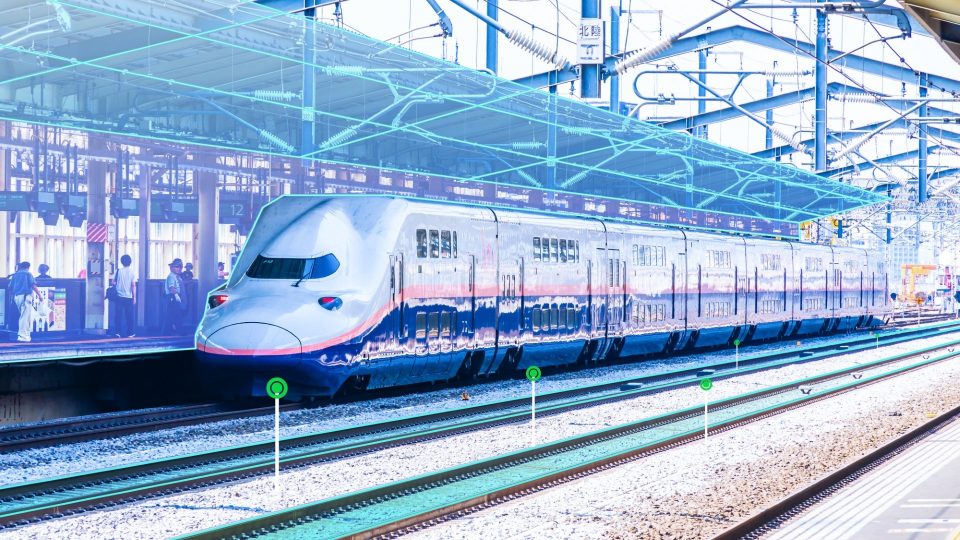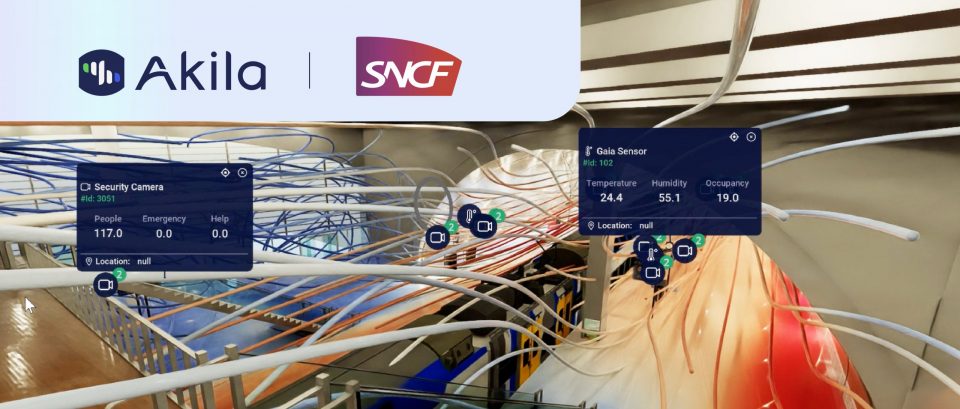
SNCF partners with Akila to Launch AI-Powered Digital Twin Platform, Pioneering the Future of Transportation Infrastructure – Starting with Monaco’s Monte-Carlo Station

June 11, 2025

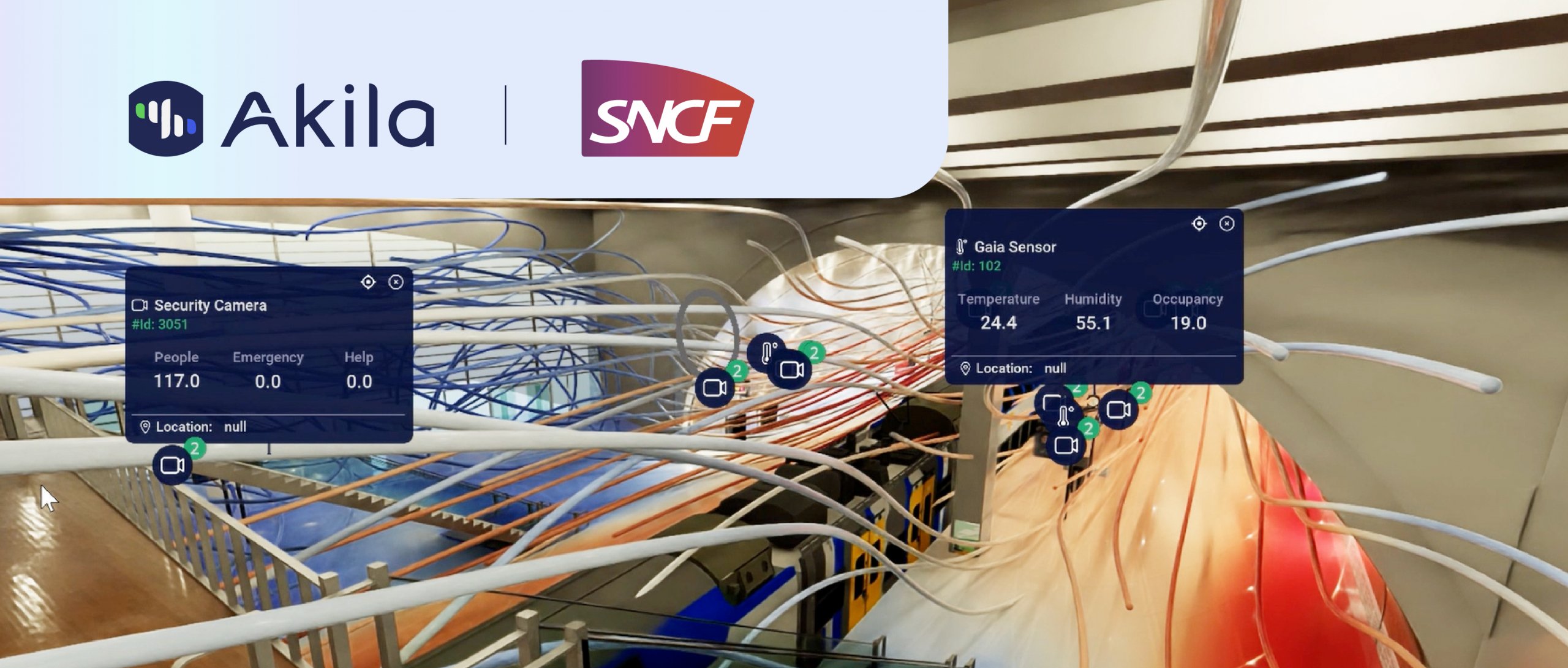
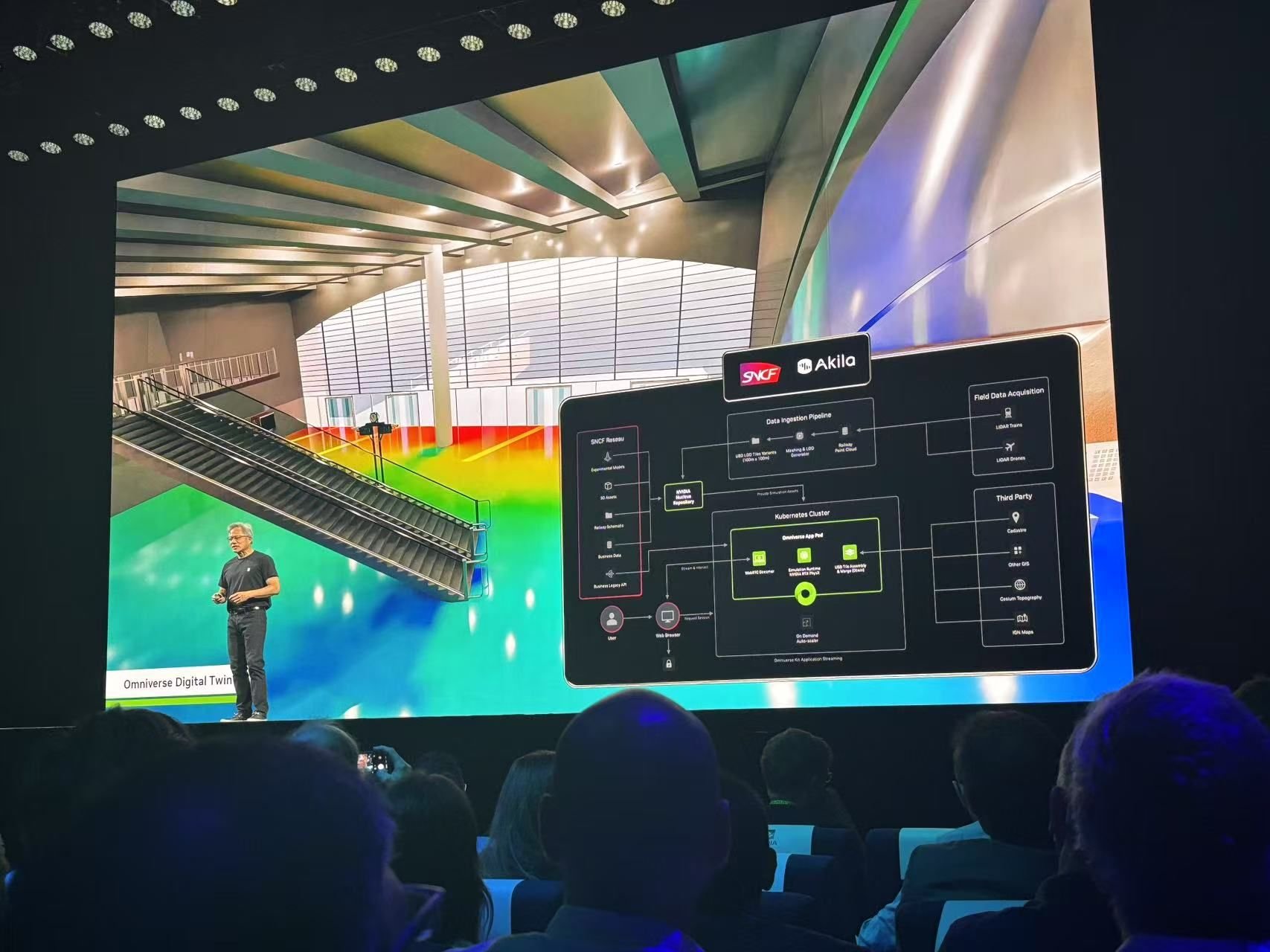
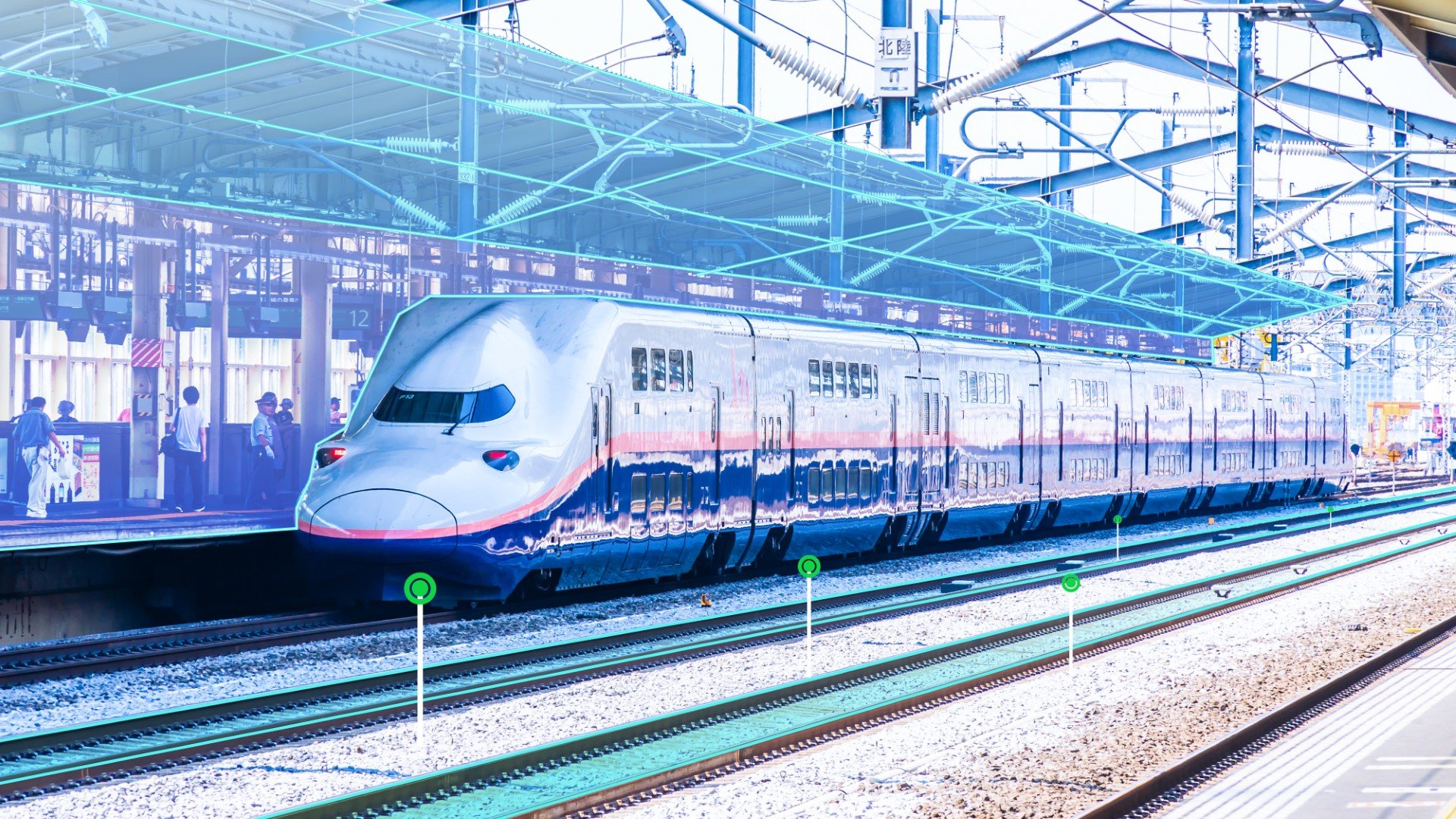
Paris, June 11 2025 –– SNCF Gares&Connexions, France’s national railway operator, has joined forces with Akila, a leader in digital twin and AI platforms to deploy a groundbreaking real-time AI and simulation platform at Monte-Carlo train station in Monaco. This project is a major milestone for smart transportation infrastructure and smart cities, and was achieved by implementing the Akila digital twin platform while integrating NVIDIA Omniverse libraries and the newly announced NVIDIA Omniverse Blueprint for Smart City AI to deliver an application of NVIDIA 3-computer Physical AI architecture. 


Download the Press Release


Akila’s deployment at SNCF Monte-Carlo train station merges three powerful computing layers: simulation with digital twins, AI training, and deployment of AI agents — into a unified system that delivers real-time intelligence and automation to the built environment. By accelerating Akila’s digital twin platform with NVIDIA Omniverse technologies and NVIDIA Omniverse Blueprint for Smart City AI, SNCF is revolutionizing how critical infrastructure is monitored, managed, and integrated with powerful AI agent-driven urban transformation.


“This is not just a digital upgrade—it’s a leap into the future of infrastructure,” said Fabrice Morenon, Managing Director, SNCF Gares&Connexions. “With Akila and NVIDIA, we’re unlocking real-time understanding of our stations to boost efficiency, lower emissions, and ultimately serve the public better. This is a major milestone for SNCF group”


A Digital Twin Revolution in Rail and Transport Hubs

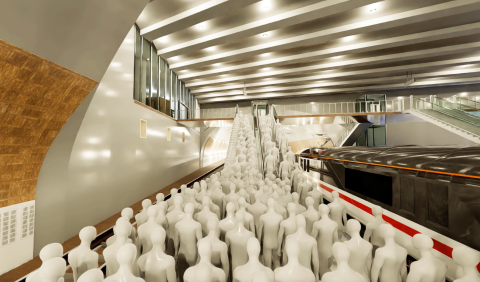
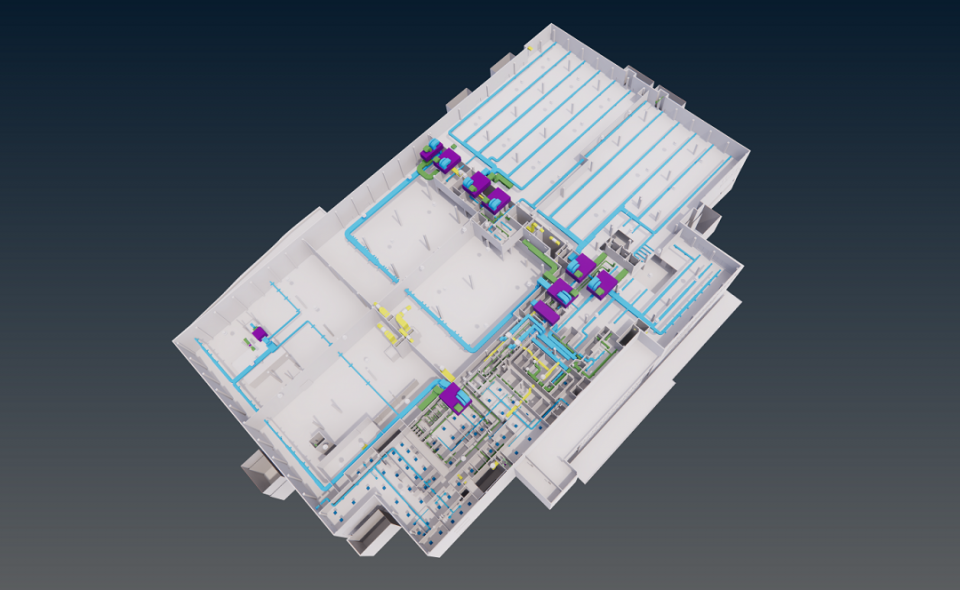
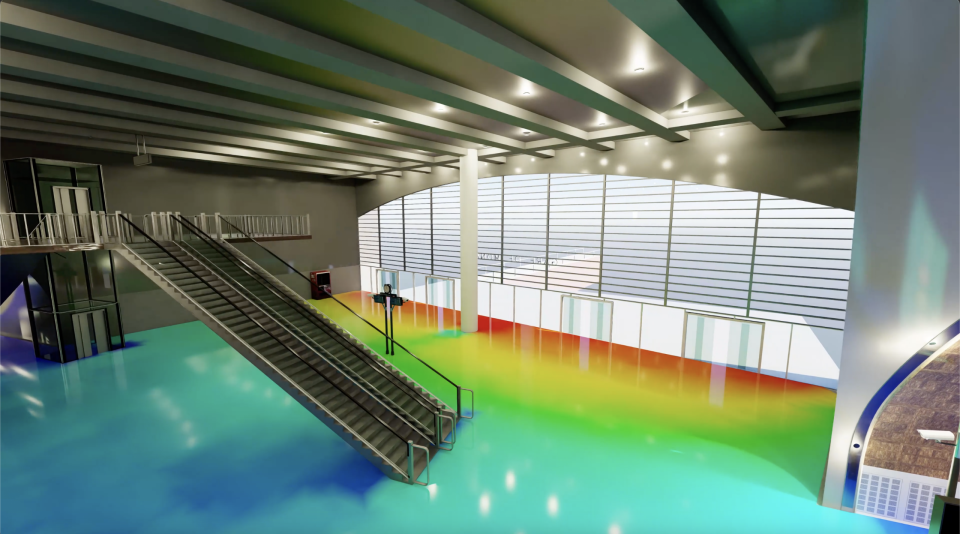
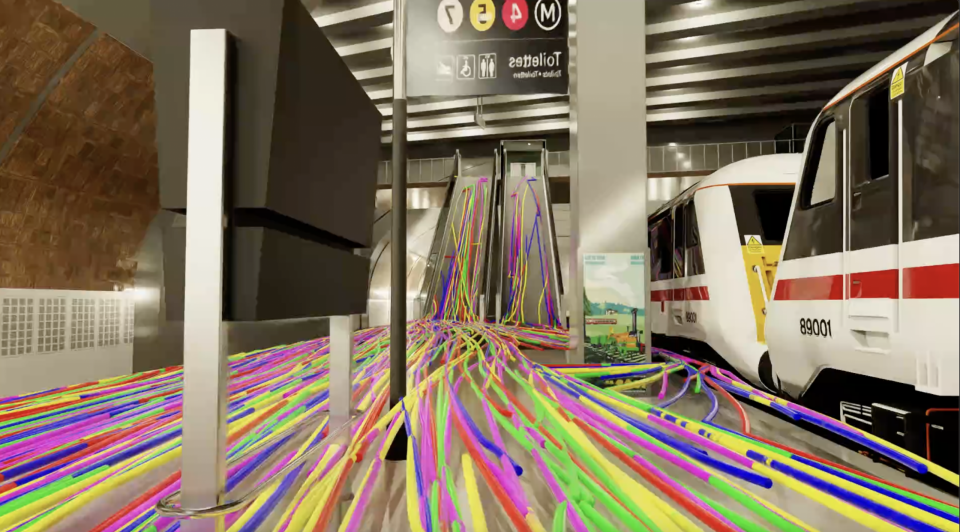
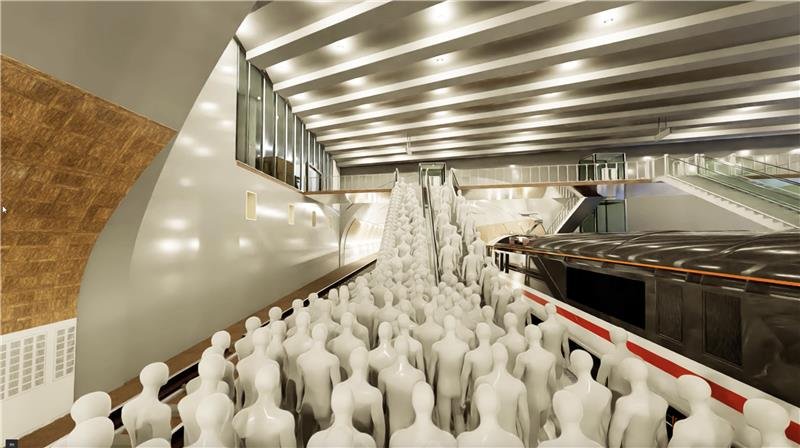
Akila’s platform ingests and consolidates diverse data sources—such as crowd movement, solar heating, airflow, and IoT sensors—to simulate building operations at high fidelity. Through NVIDIA Omniverse technologies, SNCF Gares&Connexions can visualize and interact with 3D digital twins enabling:

  • Emergency simulation to improve safety
  • Energy optimization that has already delivered a 20% reduction in energy usage
  • Faster responses to operational issues, with a 50% cut in intervention times
  • Preventive maintenance to achieve 50% downtime reduction and 100% on-time completion during deployment
  • €30,000 in annual energy savings per site
  • Enhanced training for autonomous systems
  • New use cases in safety, security, and crowd control

This platform also provides a secure, sovereign digital environment thanks to Akila and NVIDIA’s accelerated computing both on-premise and in the cloud, ensuring compliance with SNCF Gares & Connexions’ data governance and cybersecurity standards.


Transforming Real Estate Operations in Real Time

Akila’s real-time AI and simulation platform is helping SNCF Gares&Connexions shift from static building management to dynamic, predictive infrastructure operations. SNCF’s service providers, like French computer vision specialist XXII, are now fully integrated into the Akila platform—offering advanced monitoring and data insight in a user-friendly interface.


Real-Time AI, From Edge to Cloud

This integrated platform lays a foundation closely aligned with the NVIDIA Omniverse Blueprint for Smart City AI, a reference framework for building, testing, and optimizing AI agents in SimReady digital twins:

  • Simulate: Build a SimReady digital twin of specific locations and facilities with the Omniverse blueprint. Remote operators and partners can visualize and interact with infrastructure across locations in a digital twin. Powered by high-speed GPU, this computing enables deep simulations, operational forecasting, and predictive analytics.
  • Train AI models: Currently, Akila uses SNCF’s historical and real-time data to train its AI Assistant agent. It plans to augment its training data with synthetic data generated from NVIDIA Cosmos.
  • Deploy AI Agents: With real-time sensor fusion and computer vision technology from NVIDIA Metropolis, AI agents can generate and act on insights derived from cross-system analytics while maintaining a safe and healthy environment for occupants. This includes understanding station energy, thermal loads, crowd movement, airflow, and IoT sensors.


From Monaco to the World

This initiative is more than a local success — it is a model for how cities and transport networks can embrace physical AI to build resilience, sustainability, and efficiency.

Akila and its partners are already adapting this model to airports, ports, and logistics hubs across Europe, the United States, and the Middle East — where the appetite for smart infrastructure is growing rapidly.

“The experience and insights gained through this project are already proving invaluable,” said Philippe Obry, Vice President of Akila. “We are now working with cities and asset owners to scale this platform across global portfolios — enabling a real-time digital nervous system for the built environment.”

Related Articles
Transforming Rail Stations for a Greener Future

Transforming Rail Stations for a Greener Future

Akila Wins DB Schenker Digital Challenge

Akila Wins DB Schenker Digital Challenge

Akila commits to SBTi Net-Zero Standard, joins Business Ambition for 1.5°C

Akila commits to SBTi Net-Zero Standard, joins Business Ambition for 1.5°C

Take the next step with Akila

If you want better from your buildings, our team is here to help. Let’s set up a call to discuss your needs and show you how Akila works, from deploying digital infrastructure to optimization.

910-Product-page
Secondary ~ Request Demo Simple

Akila Expands R&D Hub in Vietnam to Drive AI-Powered Cognitive Buildings

March 12, 2025

This month marks a major milestone for Akila as our R&D team in Vietnam moves into a new, expanded location in Hanoi. Established in 2023, this hub has rapidly become a driving force behind our AI innovation, pushing the boundaries of smart building technology.

With the rapid urbanization of cities across the world, the demand for intelligent, data-driven real estate solutions is greater than ever. At Akila, we are shaping the future of Cognitive Buildings, leveraging cutting-edge AI and strategic partnerships – such as our collaboration with NVIDIA, to accelerate the transformation of the built environment.

Why Vietnam? A growing hub for AI innovation

Vietnam’s thriving tech ecosystem, highly skilled talent pool, and strong government support for digital transformation make it an ideal location for an R&D hub dedicated to AI and real estate technology. Our team in Hanoi is tackling some of the biggest challenges in the industry, developing solutions that will redefine how real estate portfolios are managed worldwide.

Pioneering AI-driven real estate intelligence

Our Vietnam R&D team is at the forefront of several key AI initiatives that will shape the next generation of smart buildings:

  • Generative AI & Large Language Models (LLMs) – We are integrating generative AI and LLMs into Akila’s platform to create a truly unified real estate data ecosystem. This enables users to access real-time insights through natural language queries, making data-driven decision-making faster and more intuitive.
  • Advanced real-time simulations – We are developing AI-powered simulations that optimize critical building performance factors, including airflow, thermal comfort, lighting efficiency, and human traffic patterns. These simulations help property owners enhance energy efficiency and occupant experience while reducing operational costs.
  • Scaling AI for district-wide optimization – Beyond individual buildings, our AI-driven solutions are expanding to entire urban districts. By simulating and analyzing real estate data on a city-wide scale, we can optimize energy use, sustainability performance, and operational efficiency across multiple properties.

Building the future of smart real estate

Our vision is to transform the real estate industry by making every building a Cognitive Building—one that continuously learns, adapts, and optimizes its operations using AI. The work being done in our Vietnam R&D hub is a crucial part of this mission, driving scalable, AI-powered solutions that redefine how we interact with the built environment.

As we continue to expand our R&D capabilities, we invite innovators, technologists, and partners to join us on this journey. If you’re in Hanoi, stop by and say hello—we’d love to connect and share more about the exciting work happening at Akila.

For a more detailed breakdown of how AI can be used to enhance the building lifecycle, check out this blog post.

Related Articles
How Akila goes beyond a BMS, EMS, or CMMS with digital twin technology

How Akila goes beyond a BMS, EMS, or CMMS with digital twin technology

Australia Mandates Climate Disclosures: What Businesses Need to Know Before 2025

Australia Mandates Climate Disclosures: What Businesses Need to Know Before 2025

Akila expands manufacturing customer base with Gerflor

Akila expands manufacturing customer base with Gerflor

Take the next step with Akila

If you want better from your buildings, our team is here to help. Let’s set up a call to discuss your needs and show you how Akila works, from deploying digital infrastructure to optimization.

910-Product-page
Secondary ~ Request Demo Simple

Akila latest features

November 25, 2024

Akila is always developing new solutions to enhance operational efficiency and user experience.

Our teams have been working on several new features and improvements across our platform, suites and mobile app.

Here’s a closer look at what’s new in Akila and how these features can empower your workflows.

Akila New Features

Platform

Password Expiry

Passwords are now set to expire after 90 days, ensuring updates of your credentials to maintain system access and uphold security standards.

Linking Alarms to Work Orders

Add work orders on the Alarm Log page, this will enable you to close the loop on actions related to alarm resolution, and to provide additional details to on-site personnel.

The increased transparency and traceability in handling alarm logs ensures that all relevant personnel have access to the most up-to-date information.

Low Stock Alarms

Alarms can be added on the Alarm Configuration page to receive notifications when stock parts are low. This will not only alert you when inventory levels are depleted, but also plays a crucial role in maintaining seamless operations by ensuring a consistent and sufficient supply of parts.

By streamlining inventory management, it reduces downtime, and supports proactive restocking strategies, ultimately contributing to cost savings.

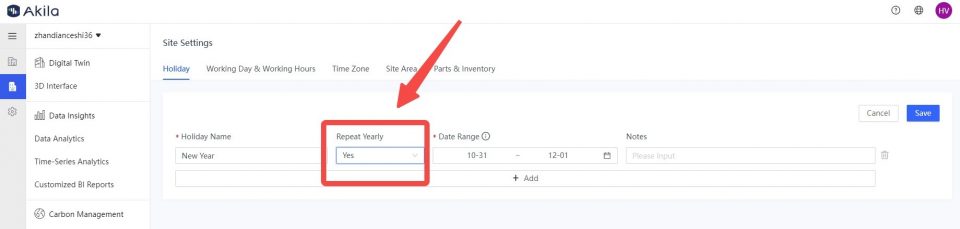
Annually Repeating Holidays

You can now set holidays to repeat annually on the Site Settings page, allowing for better planning and management of inspection schedules during holiday periods and saving configuration time.

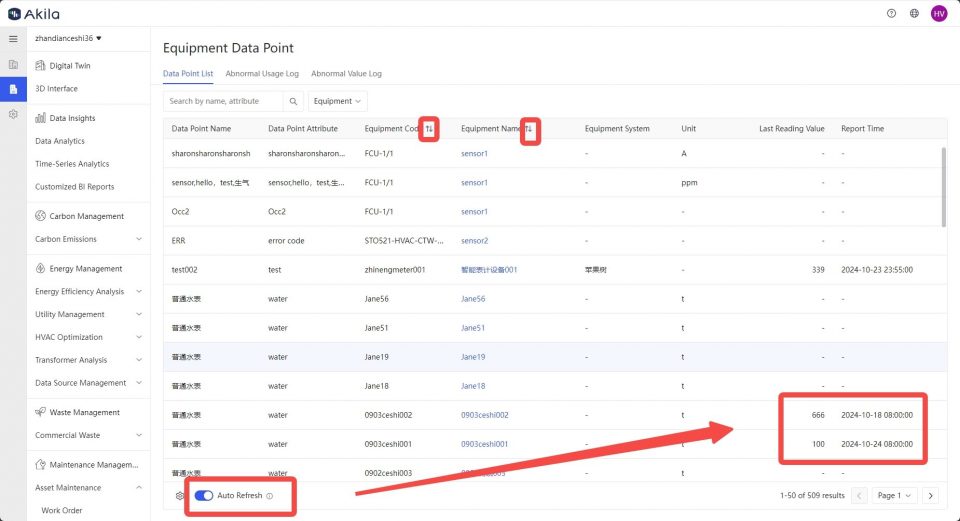
Real-time Data Point

Real-time data points are now accessible by clicking “Auto Refresh” on the “Data Point List” tab of Equipment Data Point page. With the click of the “Auto Refresh” button, you can also experience seamless, automatic updates to the data, enabling swift identification of any abnormal conditions.

Energy

Portfolio Energy Monitoring

A client-level user can now view cross-site energy data to compare the energy usage of different monitoring objects across different sites on the Portfolio Energy Monitoring page.

This is configured by linking monitoring points to monitoring objects on the Monitoring Point Configuration page, enabling the calculation and comparison of energy usage across various monitoring objects. You can also click “Sync Daily Usage” to sync the meter’s historical usage and daily usage to view the data more quickly.

Portfolio Energy Monitoring offers multidimensional search capabilities, enabling you to swiftly analyze and compare the energy performance of different monitoring objects, thereby enhancing operational efficiency.

Digital Twin

Real-time Equipment Status Monitoring

Equipment statuses can now be monitored within the Digital Twin page. This new functionality allows for continuous oversight of equipment status, enabling proactive measures to inspect equipment, maintain product line quality, and ensure on-site security.

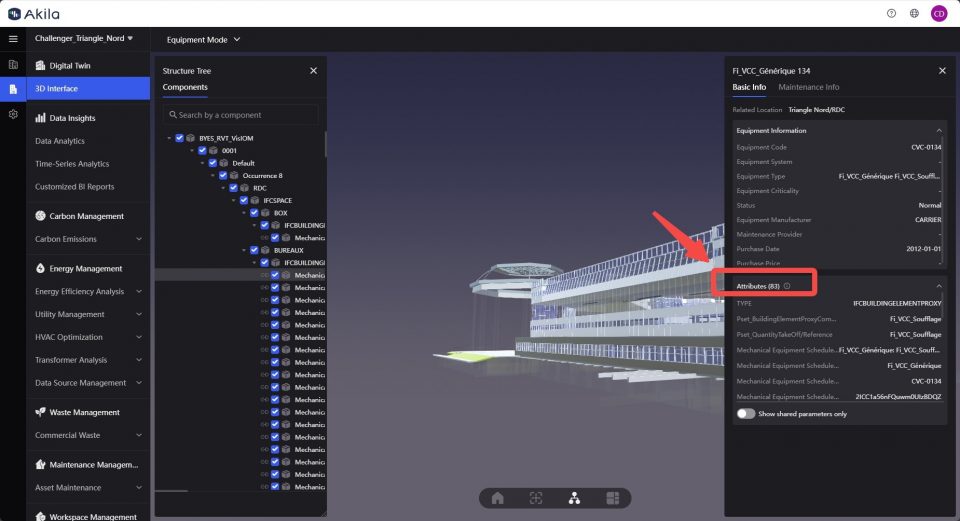
Display Equipment Attributes from BIM

The attributes and parameters of equipment are now available from the BIM Model to get more specific information on the Digital Twin page.

Maintenance & Workspace

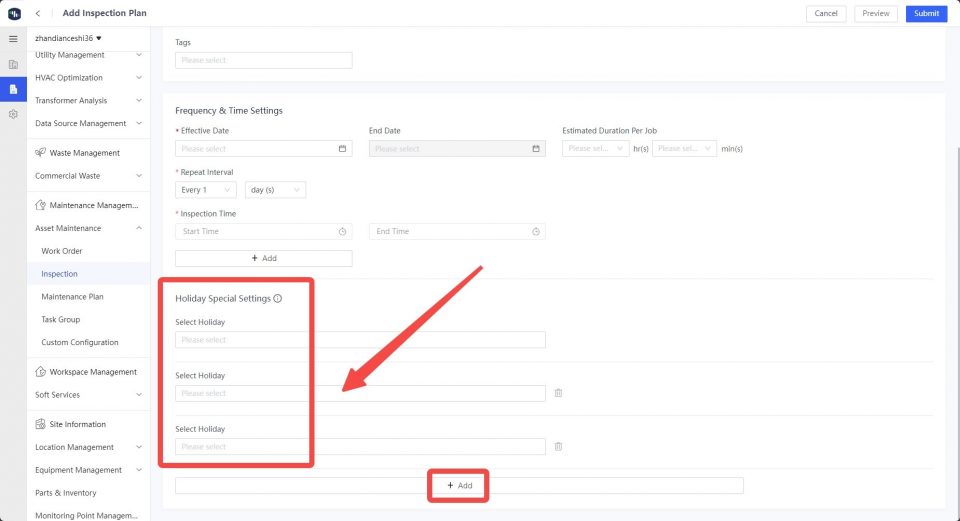
 Support Different Holiday Settings in a Plan

 You can now set various holidays when adding or editing an inspection plan, allowing the plan to accommodate specific configurations for multiple holidays.

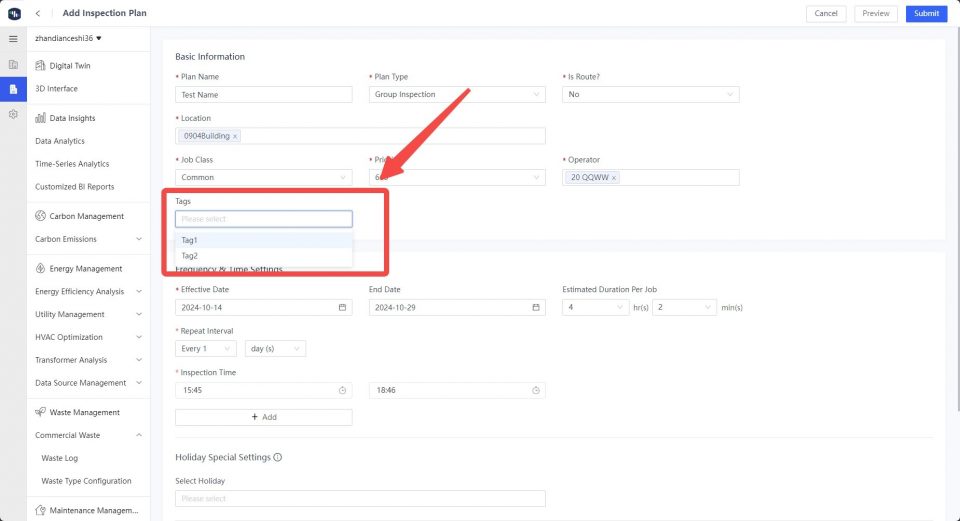
Show Inspection Plan Tag

Adding and assigning unique tags to different inspection plans is now available, similar to the categorization system used for work orders. In this way, it improves the manageability of inspection plans, especially for sites with a high volume of inspections, saving time for operators.

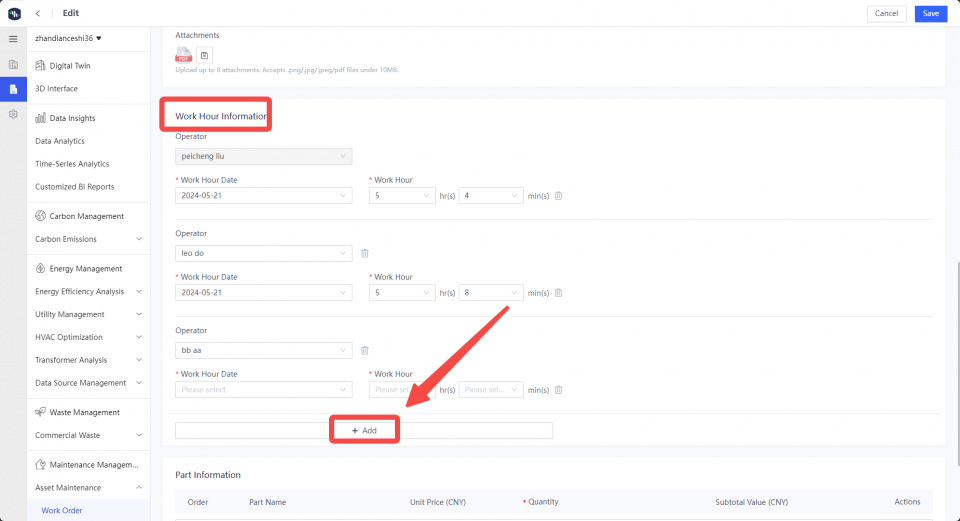
Log Working Hours

You can now add the related working hours when editing work orders. In the past working order execution progress, maybe some un-assigned operators will help to carry out work orders and their working hours are not logged. With this feature, their working hours can be logged, enabling a comprehensive life-cycle work order log.


Mobile App New Features

The Akila app is available for iOS and Android users.

Maintenance and Workspace

Alarm Log

The App now includes Alarm functionality, offering real-time updates about equipment issues, which supports various condition-based maintenance scenarios.

Immediate Job Visibility

After scanning the QR code of a location or equipment, operators can quickly identify tasks that can be started immediately in the Today’s To-do list, as well as from the equipment details page. The list will be automatically sorted by their scheduled completion time, ensuring efficient planning and execution of tasks.

Offline Inspection Custom Tag

This new feature allows you to view unique tags to offline inspection plans, similar to the categorization system used for work orders. It improves the manageability of inspection plans, especially for sites with a high volume of inspections, saving time for operators.

Global Android Push Notification

Global Android user can now receive banner notifications from Akila, which help them to get the work order or inspection related information in time, enabling quick actions on dealing with work orders and inspections.


Akila Features’ Improvements

Platform

Extended Regional Support for AI Applications

The Akila AI Assistant and Long-term Energy Usage Forecast features are now available in the French region!

Energy

Energy Monitoring Chart Enhancements

The energy monitoring chart has been enhanced by introducing “Totals” and “Details” modes that enable swift access to essential data. Updates include breakdowns by monitoring points across multiple time-granularities, full-screen mode for enhanced presentations, and adjustable window sizing for more convenient analysis.

Maintenance & Workspace

Editable Work Order Type and Job Class

We have introduced an update that allows for the customization of default work order and job class types. You can select both work order type and job class type on a single page when assigning or re-assigning work orders, streamlining the configuration process and saving time


With these updates, Akila is smarter, faster, and more user-friendly than ever!

Our teams have been working on these new features to make your job easier: we want to help boost your efficiency and simplify your workflows.

Have a look at those improvement and see the difference for yourself – Akila’s got you covered!


Related Articles
Why Chiller-Side Optimization is Key for HVAC Efficiency

Why Chiller-Side Optimization is Key for HVAC Efficiency

Akila joins WEF’s Digital Twin Cities Advisory Committee

Akila joins WEF’s Digital Twin Cities Advisory Committee

SNCF partners with Akila to Launch AI-Powered Digital Twin Platform, Pioneering the Future of Transportation Infrastructure –  Starting with Monaco’s Monte-Carlo Station

SNCF partners with Akila to Launch AI-Powered Digital Twin Platform, Pioneering the Future of Transportation Infrastructure – Starting with Monaco’s Monte-Carlo Station

Take the next step with Akila

If you want better from your buildings, our team is here to help. Let’s set up a call to discuss your needs and show you how Akila works, from deploying digital infrastructure to optimization.

910-Product-page
Secondary ~ Request Demo Simple

Enhancing preventative maintenance: How Akila’s new feature streamlines asset management

October 25, 2024


Preventative maintenance is the proactive approach to equipment maintenance, involving regular inspections, servicing, and repairs to prevent issues before they could occur, ultimately extending asset lifespan.

Akila’s new feature, launched on October 15th, enhances this approach by directly connecting automated alarms to maintenance work orders and inspections, ensuring faster responses and streamlining the asset management process.

By addressing potential problems before they occur and potentially leading to equipment breakdowns, preventative maintenance helps reduce costs, minimize downtime of equipment, and improve operational efficiency.

However, many maintenance systems lack real-time monitoring or don’t implement it well enough to allow for predictive alarms. Maintenance actions are too often delayed due to the disconnect between performance data and the actions needed to address issues, resulting in inefficiencies in the maintenance workflow.

This is where Akila’s latest feature steps in.

The Importance of Preventative Maintenance

In traditional maintenance processes, issues are often only addressed after an issue has arisen and the equipment has therefore failed. This way of working leads to emergency fixes and unplanned downtime, which can disrupt operations, not only for users but also for maintenance teams.

When equipment stops working it also implies costs as it implies downtime and a break in productivity. These costs are higher most of the time than if the equipment had been monitored closely and minor issues had been fixed earlier, leading to no or less downtime.

Preventative maintenance offers a major improvement by focusing on routine inspections and scheduled maintenance. By keeping equipment in optimal working condition, it minimizes unexpected failures and extends the life of assets, making them more reliable and efficient. It also helps ensure compliance with safety standards, further protecting both employees and equipment.

Despite the benefits, challenges in implementing preventative maintenance programs remain, especially because many systems don’t offer real-time monitoring or effective alarm setups. Even when alarms are present, performance data is often siloed from maintenance actions, leading to delays in response times. Without a direct connection between monitoring systems and the teams responsible for repairs, issues may escalate unnecessarily.

This is the gap Akila’s new feature seeks to fill, allowing maintenance teams to act quickly and decisively when alarms are triggered.


Akila’s New Feature: Connecting Alarms to Maintenance Work Orders

Akila’s new feature takes preventative maintenance to the next level by integrating alarm systems with work order creation. Whenever an issue is detected on equipment, action is taken by the system quickly and maintenance teams are informed. This highlight of any issue in real-time allows maintenance managers to assess the situation and quickly initiate the necessary actions.

Here’s how it works: Akila’s platform continuously monitors equipment performance through digital twins. The system is able to detect any malfunction by analyzing the data sent from the sensors. If any malfunction or anomaly is identified, such as a performance anomaly or diminished output an alarm is triggered.

This alarm alerts managers to the issue, enabling them to create a work order that links the alarm directly to the necessary maintenance actions.

By highlighting potential problems as they arise, this system allows maintenance teams to address issues before they escalate into larger, more costly failures. The quick transition from detection to response ensures that no time is lost in addressing potential concerns.

Closing the Loop in Equipment Lifecycle Management

Akila’s new feature not only streamlines maintenance tasks but also provides a comprehensive view of the entire equipment lifecycle, from installation to ongoing maintenance. Continuous monitoring and real-time data give teams the ability to monitor equipment performance closely, ensuring that anomalies are detected and addressed as quickly as possible.

With these insights, maintenance teams can keep an eye on the performance of every single equipment, ensuring that any anomaly will be detected and address in the quicker possible way and prioritize daily work more effectively.

Not only can this feature help the maintenance teams to keep assets in the best condition, but Akila also gives them the tools to manage efficiently their work. Indeed, it provides powerful insights into equipment such as recurring issues helping the teams with decision-making. That way, maintenance teams can plan preventative tasks and inspections, but also prioritize their day-to-day work according to the emergency occurring as they are now aware with the help of alerts.

Akila’s platform also allows them to track the progress of their work order, and coordinate when necessary so the maintenance teams stay ahead of potential problems, preventing disruptions.

This system-wide visibility enhances operational efficiency, helps allocate resources more effectively, and contributes to smoother, more reliable performance.


By linking real-time monitoring and actionable maintenance task, Akila significantly improves preventative maintenance. With this new feature, maintenance teams will now be able to respond swiflty to issues by creating work orders more rapidly as they will now be connected to alarms. As a result, maintenance teams to be more efficient and prevent minor issues from turning into huge breakdowns.

Akila’s platform and its tools are becoming essential as it allows for effective asset management. Its real-time insights give unprecedented control to property managers over their assets, enabling them to detect issues quicker than ever. Akila helps organizations work at their best while protecting their equipment and resources for the future. As the landscape of asset management evolves, integrating such cutting-edge technology will be vital for businesses striving to maintain peak efficiency and ensure long-term operational excellence.


Related Articles
Akila Institutions: Fudan – MIT China Lab

Akila Institutions: Fudan – MIT China Lab

HVAC and IEQ: The Hidden Backbone of Global Logistics 

HVAC and IEQ: The Hidden Backbone of Global Logistics 

Arkema uses Akila to empower ESG and decarbonization efforts

Arkema uses Akila to empower ESG and decarbonization efforts

Take the next step with Akila

If you want better from your buildings, our team is here to help. Let’s set up a call to discuss your needs and show you how Akila works, from deploying digital infrastructure to optimization.

910-Product-page
Secondary ~ Request Demo Simple

How digital twins and AI can enhance accessibility through asset management

October 17, 2024

Accessibility has become a fundamental requirement in public spaces, such as stations, shopping centers or buildings as it allows people with disabilities, elderly people, parents with young children, or those with heavy luggage to navigate in those spaces independently. Accessibility often relies on assets such as lifts, automatic doors, public toilets, or ramps which play a key role in this independence. However, when one of those assets stops functioning, it can disrupt the daily life of people with mobility challenges as their access to those places will be limited.
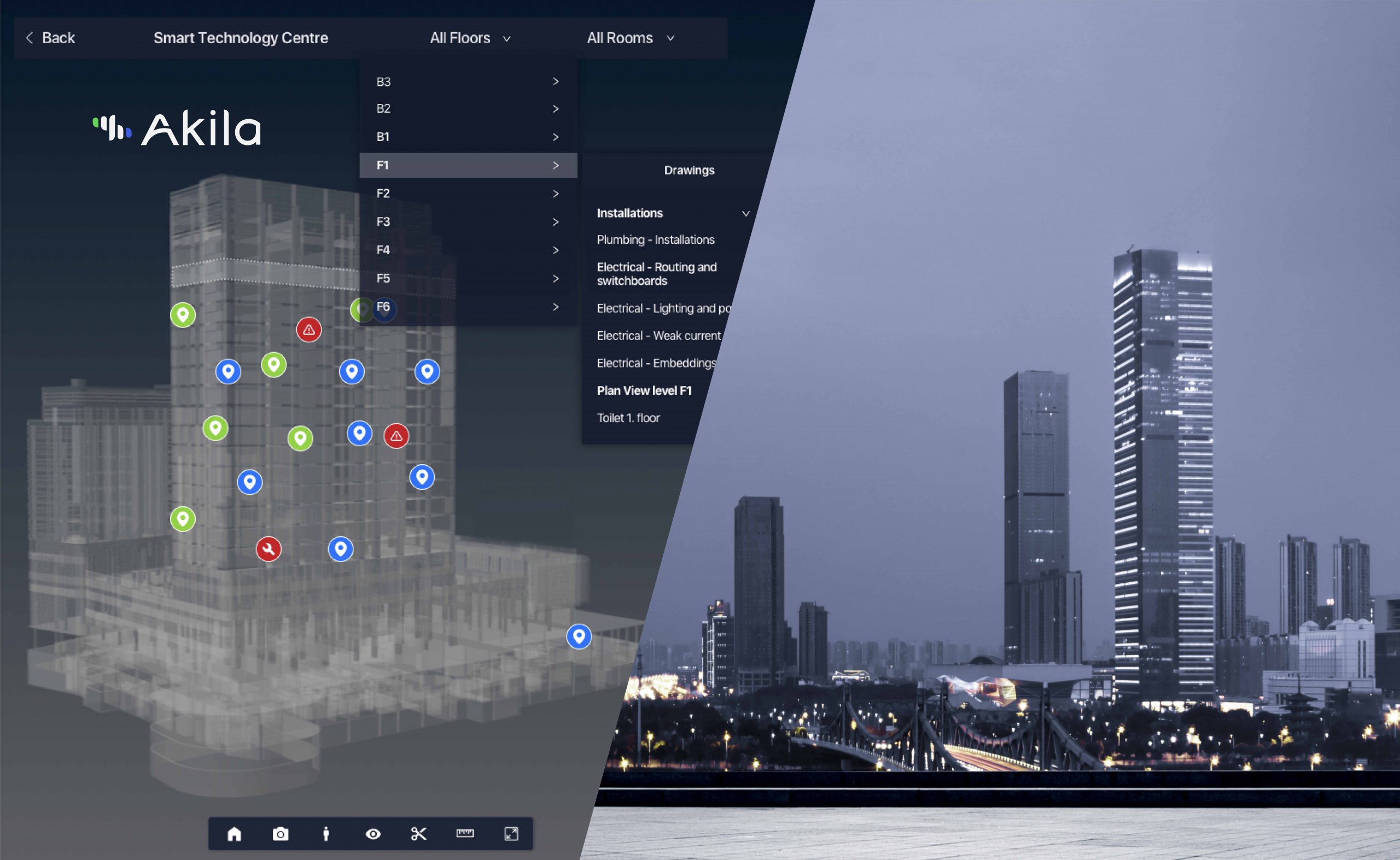
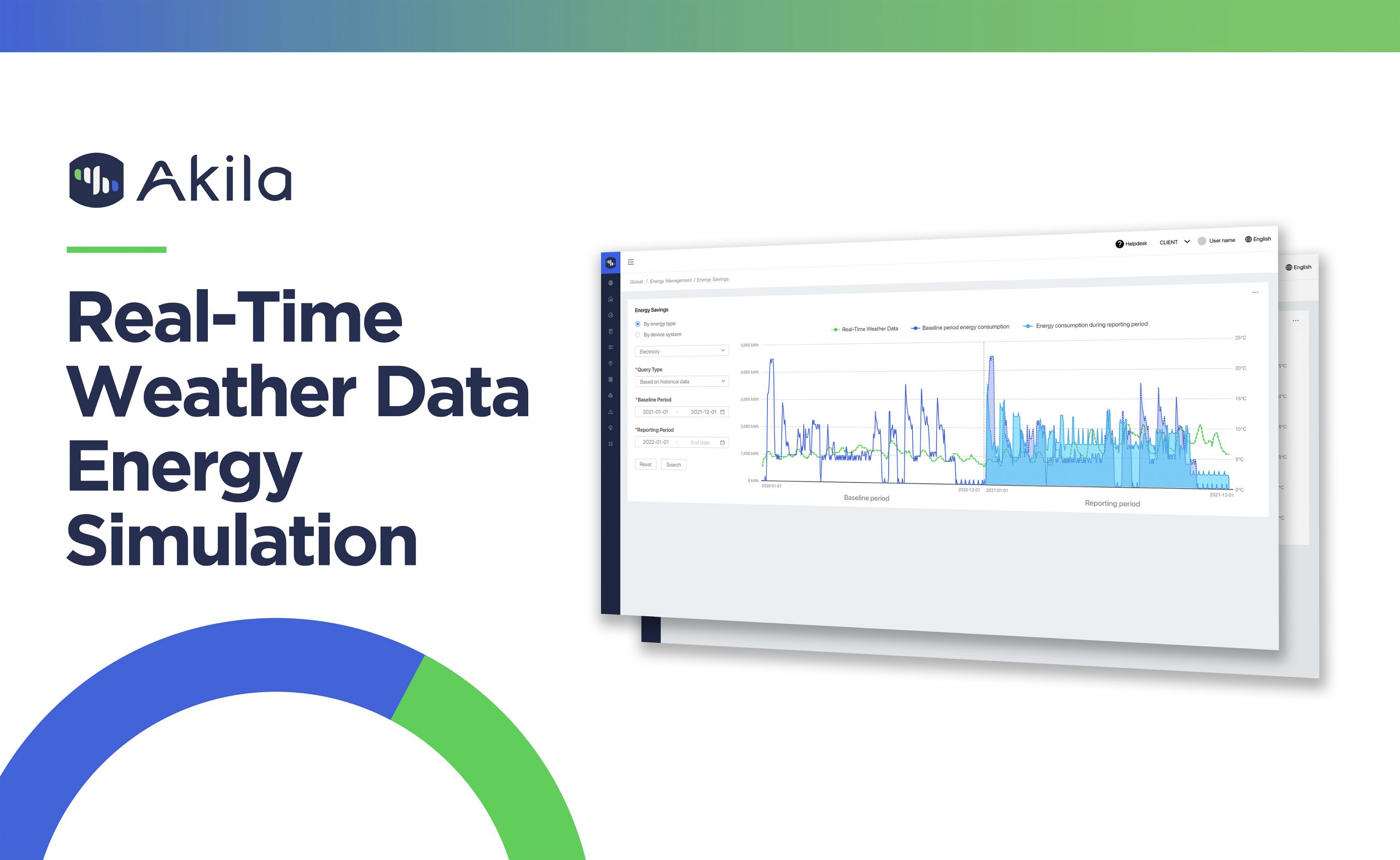
That’s why the maintenance of these assets is crucial: as just one out of service lift can lead to huge inconvenience in day-to-day life as it would leave individuals with accessibility needs stranded, dependent on assistance, or unable to safely access critical services.

That’s when digital twins and AI can make a change.

Digital twins are virtual models of physical assets that allow monitoring of their performances in real time. Artificial Intelligence complements digital twins by enhancing decision-making through data analysis. AI can process vast amounts of data collected by digital twins and use it for predictive maintenance, anomaly detection, and automated alerts.

Those technologies put together could ensure that these crucial assets are continuously accessible by predicting any down time, or by detecting any anomaly that could happen, making those assets more reliable to people who need them on a day-to-day.


The role of digital twins in asset management

As mentioned earlier, digital twins are virtual replicas of physical assets, such as a lift or a ramp for example. These digital models are continuously kept up to date with real-time data from sensors embedded in the physical asset. This creates a dynamic representation that replicates the asset’s current condition.

With this digital model, facility managers can monitor closely those assets and not only track and improve their performance, but they can also detect earlier any (minor) issue that could have led to a complete breakdown in the long term and caused a major disruption for anybody requiring accessibility. For instance, if a sensor detect that the door mechanism of an elevator is starting to lag, the digital twin can flag this early warning, prompting maintenance before the issue escalates.

Digital technology has the ability to ensure that assets remain available and safe at all times, allowing people with accessibility needs to navigate through public spaces without the worry of encountering equipment that would not work; whether it’s a family going through an airport, or someone in a wheelchair needing to access a platform in a station.

How AI can enhance predictive maintenance and accessibility

If digital twins can provide a digital model of assets with real time data, it’s AI that will be able to use that data for asset reliability. By analyzing and processing data collected, AI becomes a powerful tool that can predict any issue, or when a failure is going to occur.

AI is able to process and notice patterns that would not be noticed by an engineer for example. By continuously analyzing data from the sensors, such as an elevator or automatic doors, AI can detect if the doors of the elevator started opening slower than usual, etc. And even if human maintenance may still be required, AI is able to identify issues early and before they escalate to major issues that would cause disruptions. Facility managers can then schedule maintenance not based on a fixed schedule, but on necessity and urgency.

Not only can it help save money, but it also ensures that those crucial assets remain available at all times for people who depend on them on a daily basis, enhancing their independence and safety.


Digital twins are a real improvement in enhancing accessibility, combined with AI these technologies can both help ensure that assets, such as ramps or lifts, that are vital for people with mobility challenges, remain operational and reliable. But it also contributes to building a future of more inclusive, adaptive spaces.

The integration of advanced technologies like digital twins and AI provides a reliable foundation for space planning in retrofits and improvements. Facility managers also now have the possibility to simulate different scenarios, such as adding different accessibility assets inside the twin and can then test the impact of their placement on traffic flow for example, prior to even beginning the project. This allows to find the most efficient solution that won’t cause any important disruption.

As accessibility has become a key priority in today’s world, leveraging digital twins and AI will play a crucial role in creating environments that are not only accessible but also safe and adaptive to the changing needs of their communities.

Related Articles
Introduction to building automation

Introduction to building automation

Good data is the key to compliance in 2022

Good data is the key to compliance in 2022

Feature focus: Real-Time Weather Data Energy Simulation

Feature focus: Real-Time Weather Data Energy Simulation

Take the next step with Akila

If you want better from your buildings, our team is here to help. Let’s set up a call to discuss your needs and show you how Akila works, from deploying digital infrastructure to optimization.

910-Product-page
Secondary ~ Request Demo Simple

Transforming Rail Stations for a Greener Future

June 28, 2024

Transportation, especially cars and planes, have long been in the spotlight as heavy emitters. With population growth, urbanization, and the rise in cost for owning and maintaining a vehicle, the demand for transportation has only increased over the recent decades making the transportation sector one of the biggest polluters in the world. Currently, the sector accounts for 25 – 30% of European greenhouse gas, and without any action, it could reach 40% by 2030. Promoting mass transit to keep these emissions down is one of the key strategies.

Mass transit is by far the most environmentally friendly way to travel when it comes to personal carbon footprint. However, when it comes to the overall impact one means of transport stands out: rail. Compared to vehicles or airplanes, it has a lower environmental impact, and its modernization has played a role in reducing air pollution in the sector. 

However, the rail sector relies heavily on how well the stations are maintained to keep rail transportation operating at optimum capacity and performance. As we tend to forget, buildings, especially the operation side, are responsible for 40% of the carbon emissions. As a result, standards are evolving to force large property owners to implement a very strict decarbonization and energy performance plan.

Many stations are aging and must take proactive steps to plan for accommodating more traffic or updating inefficient assets. The introduction of digital technologies, such as digital twins, has been a promising advancement in this area.

Challenges in Digitizing Railway Station Management

The real estate industry has been slower to adopt digitization compared to other sectors. Real estate managers and CEOs often have only a fragmented view of their assets, this applies to railway stations too.

Today, Europe has around 22,000 stations connecting various cities and countries. For instance, in France, 15 000 trains run every day allowing 5 million people to travel on the SNCF network. 

In this context, the maintenance and sustainability of the stations themselves is crucial.

Stations are not just transit points; they are complex ecosystems that consume significant amounts of energy and resources such as electricity and water.

Keeping these assets operating is vital, but ideally, this operation can be continually optimized to reduce energy consumption and environmental impact, however, the systems used are sometimes incompatible with new technologies and do not allow data to gain a comprehensive view of all the assets.

Information about equipment can be stored in separate systems/databases, that do not communicate with each other, making it hard to use and to have a comprehensive view. Relying on manual data entry from different sources can also lead to errors and delays, further fragmenting the view of assets.

Embracing Digital Twins for Railway Station Optimization

Digital twins are a solution for this. Digital twins are not simply digital models of buildings or systems, at the heart of digital twins is data, that can help optimize asset performance.

Imagine a station where energy consumption is monitored and optimized in real-time, equipment health is tracked, and malfunctions are detected before any disruption happens. Building systems are capable, on their own, of identifying performance issues and proactively correcting them – triggering maintenance before breakdowns occur or anticipating future temperature shifts to optimize energy usage. Intelligent agents continuously monitor and adapt, ensuring a harmonious balance between operational efficiency and environmental conservation.

With Akila, this vision becomes reality. By standardizing data and utilizing IoT and smart technologies, Akila provides stations with the tools to enhance maintenance operations, and energy efficiency, and improve services and sustainability.


Our digital twin technology has transformed rail stations like Marseille Saint Charles and Monaco Monte Carlo into pioneers of sustainable innovation. By integrating various tools and data streams into a single unified platform, Akila provides an unprecedented level of insight and control, allowing the stations to:

  • Simplify operations management by aggregating the 3D digital twin and various currently siloed tools on a single platform
  • Improve the site’s environmental quality by measuring energy and water consumption in real-time, enabling any problems to be identified immediately
  • Automate the reporting on energy efficiency actions undertaken or maintenance activities- automated reporting
  • Improve service quality through better management of anomalies directly linked to maintenance operations and the addition of control points

But Akila’s impact goes beyond resource management. Our platform can also enhance passengers’ experience, by ensuring that core systems like elevators, restrooms, and air conditioning are monitored and maintained proactively, preventing disruptions. Digital twins also allow you to test potential upgrades and optimizations before implementation, minimizing costs, maximizing results, and ensuring optimal solutions.

Akila: Pioneering the Future of Sustainable and High-Performance Rail Transit

As we continue pushing the boundaries of innovation, our vision for the future extends beyond current capabilities. Akila is opening the way toward truly cognitive buildings – intelligent structures capable of autonomously analyzing data and initiating corrective actions. Our AI capabilities, which already account for 25% of our R&D efforts, will soon enable seamless self-regulation, proactively addressing issues before they even arise.

With Akila, the future of sustainable rail transit is already unfolding. Our platform offers flexibility and enhances your existing data ecosystem while being easy to integrate. As we forge partnerships and contribute to the building apps marketplace, the possibilities for optimization and environmental stewardship are limitless.

With this new generation of cognitive buildings, Akila stands as a market-leading solution that is not only advanced and efficient but also adaptable. Embrace the future with Akila and take a significant step towards a greener, more efficient world.


Related Articles
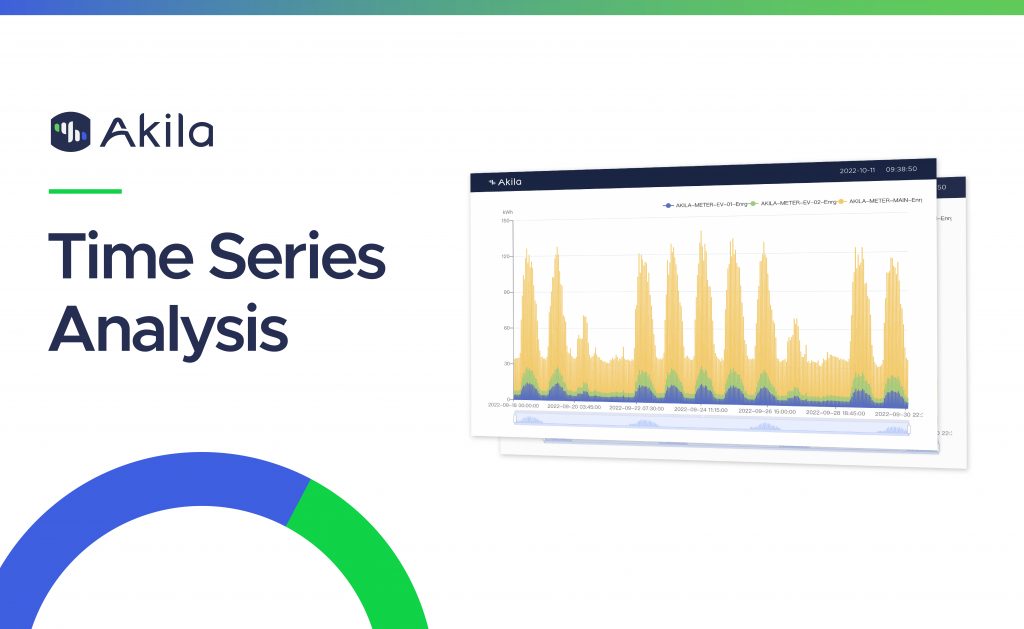
Time series analysis: harnessing the power of BMS data

Time series analysis: harnessing the power of BMS data

Akila Featured in Jensen Huang’s NVIDIA Keynote at GTC Paris 2025

Akila Featured in Jensen Huang’s NVIDIA Keynote at GTC Paris 2025

Australia’s Climate Disclosure Law Is Here — And the Net Is Tightening 

Australia’s Climate Disclosure Law Is Here — And the Net Is Tightening 

Take the next step with Akila

If you want better from your buildings, our team is here to help. Let’s set up a call to discuss your needs and show you how Akila works, from deploying digital infrastructure to optimization.

910-Product-page
Secondary ~ Request Demo Simple

Leveraging real-time data and digital twins to drive sustainability

June 23, 2023

Digitalized buildings using real-time data

Smart buildings have emerged as a major driver for sustainable infrastructure – enabling improvements in energy efficiency, occupant comfort, and operational optimization. In this journey of digital transformation, real-time data and digital twins have become indispensable in unlocking the full potential of smart buildings. By harnessing these technologies, building owners and facility managers can enhance building and operational performance while also aligning with sustainability and ESG initiatives.

The benefits of real-time data and digital twins

Real-time data refers to the continuous and immediate flow of information from IoT sensors and devices in smart buildings. This data provides valuable insights into the building’s energy consumption, environmental conditions, and occupancy patterns. Digital twins, on the other hand, are virtual replicas of physical buildings that simulate their behavior and characteristics in real-time. By integrating real-time data with digital twins, facility managers gain a comprehensive understanding of their assets that empowers data-driven decision-making and facilitates efficient building operations.

One of the key advantages of real-time data and digital twins is the optimization of energy consumption. Continuous monitoring and analysis enable prompt identification of energy inefficiencies, while digital twins simulate different scenarios to predict the impact of energy-saving measures. This allows building managers to make informed adjustments to HVAC systems, lighting, and other energy-consuming systems, leading to reduced energy costs and carbon footprints.

In addition to energy efficiency, real-time data and digital twins contribute to enhanced occupant comfort and productivity. By monitoring parameters like temperature, humidity, and air quality in real-time, adjustments can be made to HVAC systems to maintain optimal indoor environmental conditions. Improved occupant comfort has not only been shown to enhance productivity, but also aligns with the social aspect of ESG objectives.

Predictive maintenance and asset performance management are also areas that are completely transformed by real-time data and digital twins. Continuous monitoring allows for the early detection of anomalies or performance degradation in systems and equipment, while digital twins enable predictive simulations for future asset status. These technologies allow facility managers to transition maintenance practices from corrective to predictive. Proactive maintenance reduces downtime, extends equipment lifespan, and optimizes resource allocation, all of which support sustainability goals.

Enabling effective ESG reporting and compliance:

A data-centric approach to building management provides a comprehensive and real-time view of building performance metrics – including energy consumption, carbon emissions, and occupant well-being indicators. ESG reporting and compliance innately demands high accuracy and reliability in the data it requires, which makes it a perfect match for the extensive data foundation that digital twins are built upon. This enables organizations to measure, track, and report on their sustainability efforts and ESG initiatives promptly, accurately, and transparently.

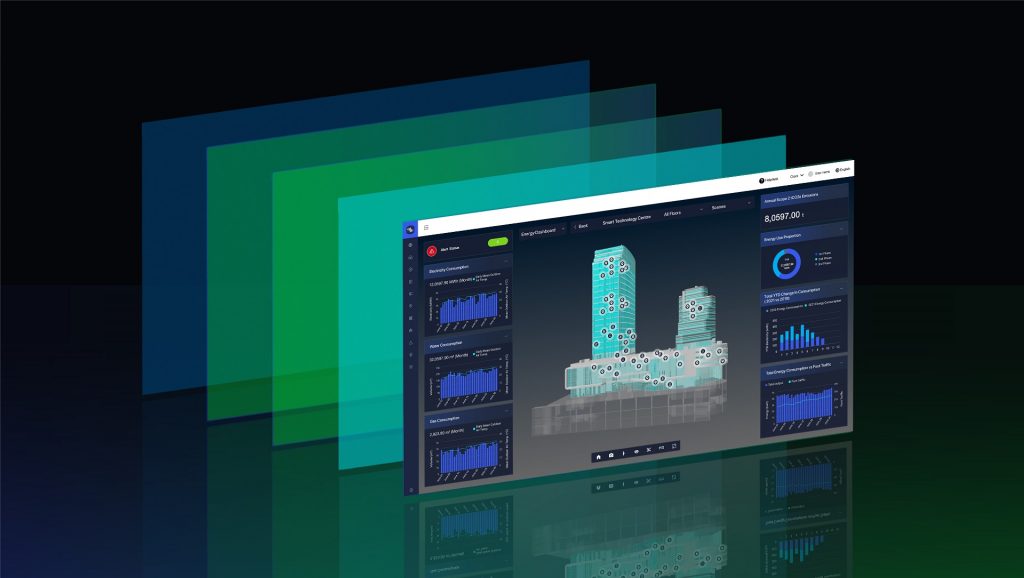
Digital twin model in Akila

Akila harnesses the power of real-time data and digital twins to revolutionize building management

Akila is an innovative software solution that optimizes smart building performance and promotes sustainability by leveraging real-time data and digital twins. With continuous monitoring of energy consumption, environmental conditions, and occupancy patterns, Akila enables informed decision making to reduce operational costs and maximize energy efficiency.

The creation of accurate digital twins allows for predictive analysis and scenario testing, ensuring optimal outcomes for energy-saving measures. Real-time data enables proactive adjustments to HVAC systems, enhancing occupant comfort, productivity, and well-being. By detecting anomalies and degradation through data analysis, Akila enables proactive maintenance, minimizes downtime, and optimizes asset performance.

Akila also facilitates accurate ESG reporting, empowering organizations to effectively measure, track, and report their sustainability efforts with BI templates built to interface directly with ESG and sustainability standards.

Real-time data and digital twins are revolutionizing the way smart buildings operate by optimizing energy efficiency, enhancing occupant comfort, and promoting operational excellence. By embracing these technologies, Akila helps facility managers create more efficient, comfortable, and sustainable buildings.

Related Articles
Asset SUITE: empowering technical teams, extending asset lifespans

Asset SUITE: empowering technical teams, extending asset lifespans

The role of Building Management Systems in improving occupants’ safety

The role of Building Management Systems in improving occupants’ safety

Get ENERGY STAR certification for your building

Get ENERGY STAR certification for your building

Take the next step with Akila

If you want better from your buildings, our team is here to help. Let’s set up a call to discuss your needs and show you how Akila works, from deploying digital infrastructure to optimization.

910-Product-page
Secondary ~ Request Demo Simple

Digital twins for the built environment

April 19, 2023


Digital twins are rapidly transforming the built environment. They allow developers, architects, and engineers to optimize and improve the asset’s design, construction, and operation, leading to significant cost savings, improved efficiency, and increased safety. Real-time data from the physical asset allows for more dynamic monitoring and analysis, which leads to better decision making. However, digital twins are also capable of simulation, unlocking even more powerful insight into how to improve site operations and identify opportunities for upgrades to equipment.

This goes for any built environment, be that commercial, industrial, infrastructure, healthcare, or residential.

Benefits of digital twins

Digital twins can improve the built environment across the whole lifecycle: design, construction, and operation.

  • Design: Digital twins can be used to simulate different design scenarios and test their performance in real-time. This allows architects and engineers to optimize designs and make informed decisions on materials, layout, and construction methods.
  • Construction: Digital twins can be used to optimize the construction process by identifying potential bottlenecks and adjusting before construction begins.
  • Operation: Digital twins can be used to monitor and optimize a physical asset and the processes around it such as energy, maintenance, and facility management. This can result in huge efficiency boosts which save costs, reduce energy consumption, and cut carbon emissions.

While the application of digital twin technology for new sites can be incredibly powerful, especially following Akila’s method of BIM, BAM, BOOM, operations are what account for the lion’s share of costs and inefficiencies.

Examples of digital twins in action

Digital twins are already being used at a variety of built environments around the world. Each site has its unique problems, but many times they have the same goals. That’s what makes digital twin technology so powerful. By breaking down data silos and linking all assets together, every piece of the puzzle is visible.

Industrial property

  • Pain point: A major factory is having difficulties identifying and addressing inefficiencies in their HVAC system.
  • Solution: By creating a digital twin of the building and its HVAC system, engineers and facility managers can simulate different scenarios to optimize energy consumption and identify potential inefficiencies. For example, the digital twin can be used to test different HVAC settings and identify the most efficient combination of temperature, ventilation, and airflow to maintain a comfortable working environment while minimizing energy consumption. This can result in significant cost savings and improved energy efficiency.

Commercial property

  • Pain point: In a multi-use (retail & office) urban commercial complex, energy consumption is one of the major expenses and reducing it is essential to improve the bottom line.
  • Solution: A digital twin of a commercial building can simulate and test different lighting and temperature settings, identify energy savings opportunities, and optimize cleaning and maintenance schedules. The digital twin can be used to provide tenants with customized data and insights on their energy usage and environmental impact, which can help them make informed decisions on energy-saving measures. This helps reduce energy consumption, lower costs, and improve tenant satisfaction

Healthcare property

  • Pain point: Hospitals have complex and critical operations that require careful planning and management to ensure patient safety and efficient resource utilization.
  • Solution: Digital twins can help hospitals optimize patient flows, staffing, and resources, and identify potential safety hazards. For example, hospitals can use digital twins to simulate emergency scenarios and test different response protocols to ensure that they are prepared for any situation. Digital twins can also be used to monitor the performance of medical equipment, identify maintenance needs, and optimize schedules to minimize downtime. Additionally, digital twins can help hospitals optimize staffing by simulating patient flows and identifying potential bottlenecks, allowing hospitals to allocate resources more effectively and ensure that patients receive timely and high-quality care.

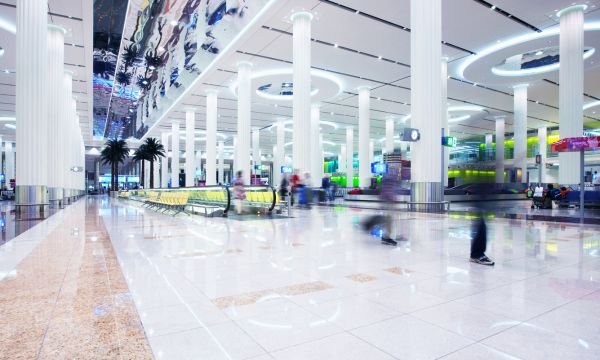
Dubai airport terminal

Infrastructure

  • Pain point: Airports face challenges in optimizing operations, enhancing passenger experience, and ensuring safety.
  • Solution: Digital twins can help airports address these challenges by creating a virtual replica of the airport and simulating different scenarios in real-time. For example, digital twins can be used to simulate and test different layouts for check-in and security screening areas, to identify potential bottlenecks and improve the flow of passengers. The digital twin could also be used to test emergency response scenarios and identify potential safety hazards. By using a digital twin, airports can optimize operations, improve safety, and enhance the passenger experience.

Potential challenges

While digital twins have many benefits for the built environment, there are also challenges that must be addressed. Some of these challenges include concerns about data security and privacy, the complexity and cost of implementing digital twin technology, and the integration of digital twins with legacy systems.

Data security and privacy concerns are particularly important given the sensitive nature of building data. There must be measures in place to ensure that this data is not misused or accessed by unauthorized parties. This is why Akila partners with Microsoft. Azure cloud servers are among the most cyber-secure in the world.

The complexity and cost of implementing digital twin technology can also be a challenge, as it requires a significant investment of time and resources. Additionally, the integration of digital twins with legacy systems can be a challenge, as it requires compatibility with existing systems and data. For these hurdles, there are also options. For example, there are many private or government backed financing options to assist with any kind of hardware installation that might incur a large upfront cost. For sites with legacy systems, integration with the Akila digital twin is possible through the use of API protocols or on-site data server installation.

The future of digital twins

Despite the challenges and limitations, the future of digital twins looks bright. There is a lot of potential for growth in this field, as more and more industries recognize the benefits of digital twin technology. Advancements in technology, such as the increasing use of artificial intelligence and machine learning, will likely make digital twins even more powerful and effective. As digital twins become more widespread, we can also expect to see them being used in new industries, such as education and entertainment.

Digital twins have enormous potential to transform the built environment. By providing a digital replica of a building or system, digital twins can help improve planning, design, construction, operations, maintenance, safety, and security. While there are certainly challenges and limitations to implementing digital twins, these can be overcome with careful planning and investment. The future of digital twins looks bright, with continued growth and advancements in technology. It’s clear that embracing digital twin technology is crucial for industries looking to remain competitive and innovative in the 21st century.

Related Articles
Akila awarded the Solar Impulse Efficient Solution label

Akila awarded the Solar Impulse Efficient Solution label

Using AI throughout the building lifecycle

Using AI throughout the building lifecycle

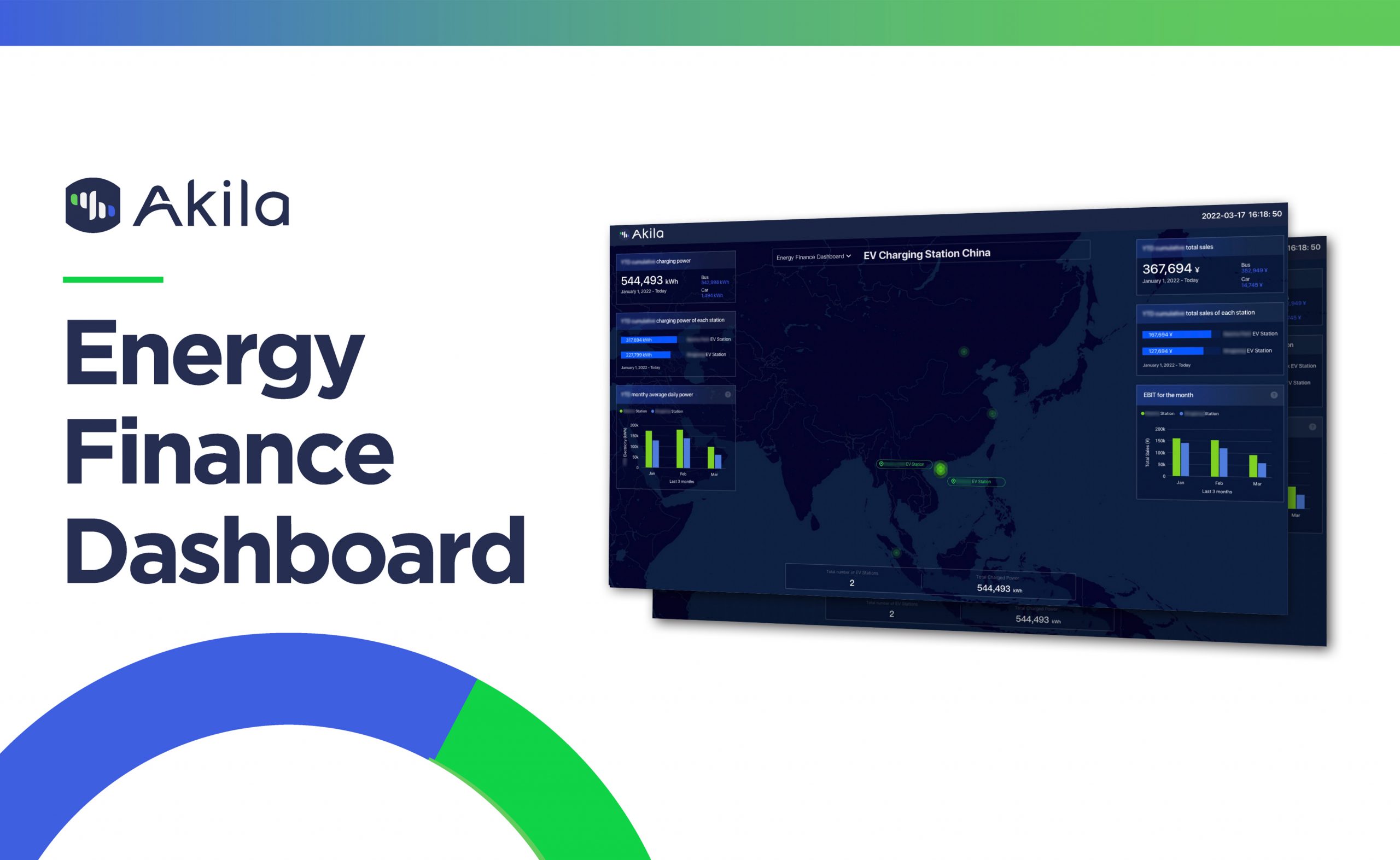
Feature Focus: Energy Finance Dashboard

Feature Focus: Energy Finance Dashboard

Take the next step with Akila

If you want better from your buildings, our team is here to help. Let’s set up a call to discuss your needs and show you how Akila works, from deploying digital infrastructure to optimization.

910-Product-page
Secondary ~ Request Demo Simple

The five dimensions of digital twins

March 16, 2023

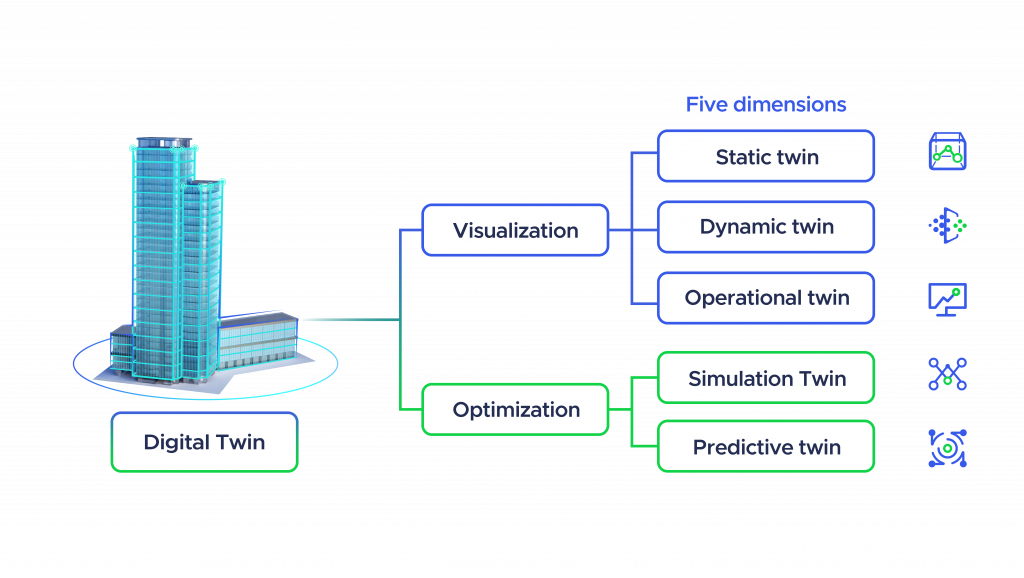
Akila digital twin 5 dimensions graphic

Digital twins, as defined by the digital twin consortium, are a virtual representation of real-world entities and processes, synchronized at a specified frequency and fidelity. In practice, this can have a wide variety of interpretations. What does virtual mean? What counts as simulation? What counts as a digital twin or doesn’t?

The history of digital twins goes back as far as the 1970s with simulators used by NASA, progresses with the advent of CAD technology in the 1980s, and then the application of both in the aerospace and manufacturing industries in the 1990s and 2000s. Engineers would use a combination of simulation, 3D visualization, and real-time data to aid in the construction of highly complex machinery such as airplane engines. This technology was used for decades before the term “digital twin” appeared, which wasn’t until 2010.

Since then, digital twin technology has come to be understood to include all the previous technology plus a mix of the Internet of Things (IoT), artificial intelligence (AI), and cloud computing. Nowadays, digital twins are proving useful in a variety of fields — not just for building airplanes, but entire buildings and cities.

Digital twin technology is what has opened the door to address the problem that buildings account for 40% of global carbon emissions. But what type of digital twin is being used exactly? Is it the same type of digital twin that was used decades ago, or is it different now?

The best way to understand digital twins is on a scale of five dimensions ranging from simple to complex.

Digital twins in five dimensions

A useful way to understand digital twins is between two planes and five different dimensions of functionality. A digital twin in its simplest form is the digitalization and visualization of a physical asset in three dimensions: a static twin, a dynamic twin, and an operational twin. In its advanced form, it is a powerful engine of optimization in two more dimensions: simulation and prediction. As a twin becomes more advanced, users can benefit from improved support with decision-making and planning.

Five dimensions of digital twin diagram

Visualization (layers 1-3)

Visualization is taking a physical object or abstract process and digitalizing it. All performance of an equipment or task can be represented in data – units of time, energy, output, etc. Digital twins can exist in up to three dimensions of visualization ranging from simple to complex.

Static twins

A static twin is a rudimentary digital twin. Static twins are created with data pulled from a real-life object at a specific time interval as designed. However, this data is still highly accurate and must be a 1-to-1 with reality. Even though static twins are “simple,” they can be visualized in a variety of manners using 3D BIM modeling, charts, and schematics. Static digital twins are also capable of simulation. However, this simulation is done without using real-time data and so leaves a

Although static twins are useful, they are not truly alive. The lack of several key functionalities holds the static twin from its true potential.

Dynamic twins

The next important dimension of a digital twin is the representation of its physical twin at the same point in time. The dynamic twin connects the two using real-time data collected by sensors and IT systems, such as IoT devices and data collection servers. Dynamic digital twins break down data silos between different systems and operations since they can communicate through this infrastructure.

Operational twins

Operational twins are where digital twins truly come alive. It goes beyond the dimension of time (as-is) to show how each piece of equipment and each process are performing. This builds on the analytical ability of the dynamic twin to connect with operations via automated alerts and work order systems to correct anomalies. This extends its usefulness and functionality beyond intelligence to include facility operators (technicians, engineers, etc.) at your site.

Most businesses can benefit immensely from the digitalization and visualization of their equipment, systems, and operations. These three dimensions of the digital twin, if implemented smartly, can lead to gains in efficiency and reduce wasted time, money, and energy.

However, the potential functionality of digital twins is even greater. By integrating more complex technology, visualization turns into optimization.


Get started with Akila


Optimization (layers 3-5)

Digital twins can tell us what might happen in the future. At their highest form, they can automatically optimize their real-life counterparts. These twins go beyond data and gain the capability to control and make decisions. The first step is simulation.

Real-time simulation twins

If things stay the same – what is the result? If we change this process or that piece of equipment – will that prove better or worse (decrease energy use, etc.)? Simulation twins can provide the answer.

Simulation twins integrate all known variables (layers 1-3) with digital simulation models that rely on physics to calculate how certain situations would affect these metrics in the future. It uses real-time data as input to simulate more accurately and precisely. For example: if our building turns off our air conditioning and lighting in unoccupied rooms at 6:30 pm each evening, how much energy/carbon will that reduce? Or, if we replace this chiller with a newer model, what boost in performance and efficiency can we expect – and for how long – before it diminishes due to use?

Simulation twins are highly valuable for decision-making support. Companies with ambitious plans to reduce energy use and carbon footprints would find that simulation twins remove the guesswork and complicated modeling because all information is contained inside a single model and platform.

As impressive as this is, there is still one more layer.

Predictive twin

The predictive twin does more than calculate what will happen; it automatically acts on decisions. The predictive twin uses AI and machine learning to see how equipment or systems might be affected by variables like weather or climate and implements optimization protocols in anticipation of them.

Predictive twins are the pinnacle of smart buildings. They can enable your site to reach a lifetime of optimized operations.

Digital twins have come a long way since their inception, and they can still appear in a variety of forms ranging across five dimensions of functionality. Each dimension of functionality is useful in different circumstances. When it comes to tackling the most important issues facing organizations today, digital twins that can optimize performance and processes are going to be the most powerful.

Akila has already used digital twins to optimize the operations and performance of clients’ properties ranging from a single site to an entire portfolio. We are aiming to develop the most advanced predictive twins for the built environment. By leveraging the five dimensions of digital twins, Akila empowers users to achieve alignment between productivity, profitability, and sustainability.

Related Articles
Transforming Rail Stations for a Greener Future

Transforming Rail Stations for a Greener Future

Akila Monthly Recap : September

Akila Monthly Recap : September

Decarbonizing heavy industry: AI-Driven solutions

Decarbonizing heavy industry: AI-Driven solutions

Take the next step with Akila

If you want better from your buildings, our team is here to help. Let’s set up a call to discuss your needs and show you how Akila works, from deploying digital infrastructure to optimization.

910-Product-page
Secondary ~ Request Demo Simple